VIP Tiers Exposed: How Elite Casino Programs Stack Up Against Everyday Play
Hugo Keller · Apr 20, 2026
VIP Tiers Exposed: How Elite Casino Programs Stack Up Against Everyday Play
The Basics of Casino Loyalty Programs
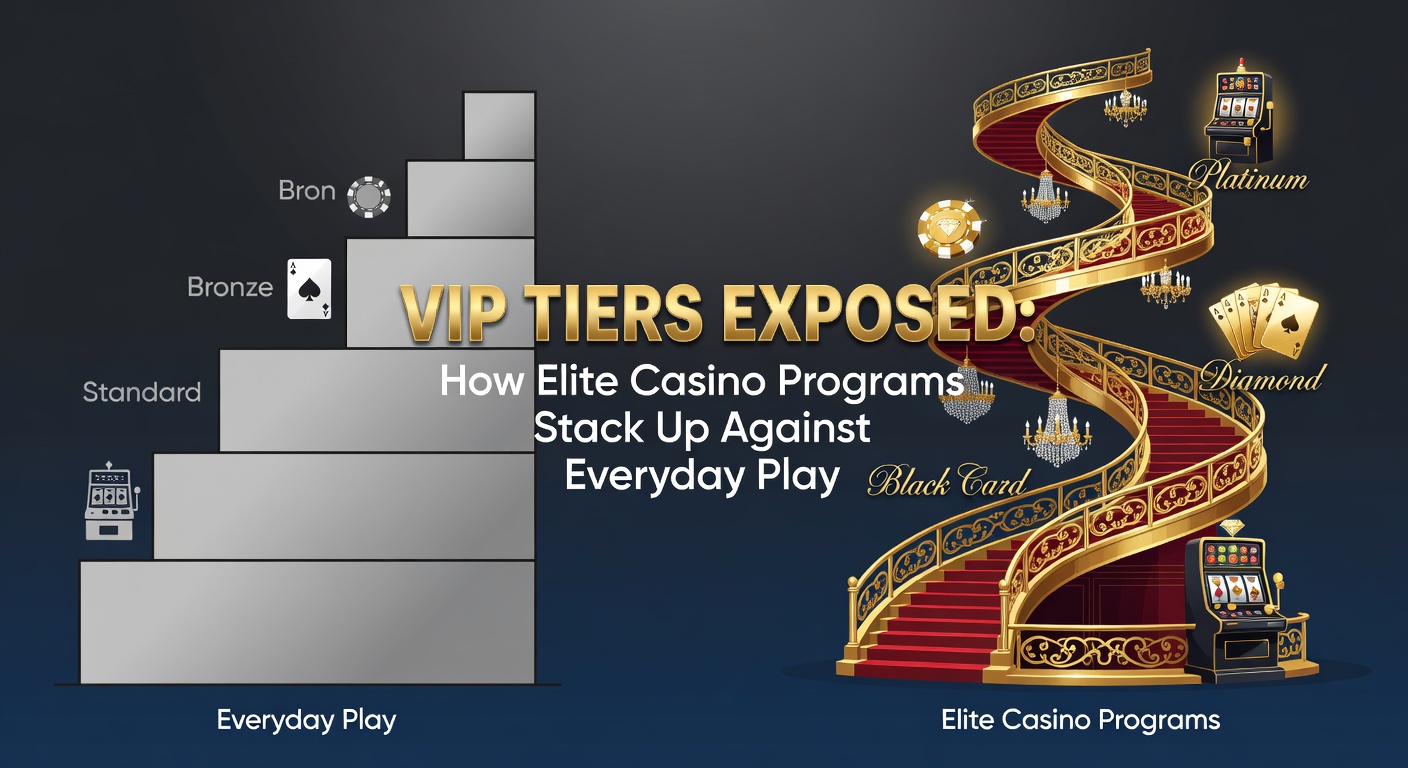
Casinos worldwide operate tiered loyalty systems designed to reward players based on their activity levels, and these programs divide participants into everyday players and elite VIPs through accumulating points from wagers on slots, table games, or sports bets. Everyday players typically start at entry-level tiers like Bronze or Red Card status, where they earn basic rewards such as small cashback percentages or occasional free spins, whereas VIP tiers—often labeled Platinum, Diamond, or Black Card—unlock progressively richer benefits tied to higher spending thresholds that can range from thousands to millions in annual play. Data from the Nevada Gaming Control Board reveals that in 2025, top-tier players accounted for nearly 40% of gross gaming revenue in Las Vegas despite representing less than 5% of total visitors, highlighting how these programs concentrate value at the elite end.
But here's the thing: entry into VIP status isn't just about raw dollars bet; programs factor in play frequency, game types, and even loss rates, so a consistent mid-stakes poker player might climb faster than a sporadic high-roller on slots. Observers note that online casinos mirror this structure with digital points systems, where apps track every spin or hand in real-time to assign tiers dynamically.
How Everyday Play Compares to VIP Perks
Everyday players receive straightforward incentives like 1-5% cashback on losses or tier credits redeemable for meals under $50, yet VIPs access a parallel universe of comps including complimentary private jet transfers, penthouse suites, and personal hosts available 24/7. Take Caesars Rewards, for instance, where Seven Stars—the pinnacle tier—members enjoy priority check-in at multiple properties worldwide, while Gold tier players get discounted show tickets but wait in standard lines during peak times like the April 2026 Las Vegas Grand Prix weekend. Research from the Gaming Laboratories International report on loyalty programs indicates VIPs receive effective return rates up to 1.5% of theoretical loss as comps, compared to 0.25% for base-level participants, creating a stark divide in perceived value.
What's interesting is how these perks scale with geography; Australian casinos under the Responsible Gambling framework offer VIPs tailored wellness checks alongside luxury spa days, whereas European properties emphasize event invites to Formula 1 races or yacht charters. And while everyday play might net a free buffet voucher after 500 points, elite tiers deliver invitations to exclusive galas where networking with industry execs happens casually over aged whiskey.

Breaking Down Major Casino Programs
MGM Rewards structures its tiers from Sapphire to Noir, with data showing Noir players—those wagering over $5 million annually—gain access to chef's table dinners and front-row concert seats, far outpacing Pearl tier's basic parking discounts for everyday gamblers. Wynn Rewards takes a similar path, but elite Ambassador status includes bespoke jewelry credits and private gaming salons; one case study from a 2025 industry analysis revealed a single Ambassador racking up $2 million in annual comps while a standard Gold member topped out at $10,000. Turns out, the rubber meets the road in loss rebates: VIPs often see 20-50% returned versus 5-10% for regulars, according to aggregated figures from North American tribal gaming operations.
Online platforms stack up differently yet; BetMGM's Gold VIP tier offers 15% rakeback on poker plus loss insurance up to $50,000 monthly, while Bronze users settle for 5% on slots alone. Experts who've dissected these programs point out that hybrid land-online systems, like those at Resorts World, blend physical perks with digital boosts, allowing VIPs to redeem points across borders seamlessly. So in April 2026, as new EU data privacy rules hit, programs adapt by offering VIPs encrypted personal dashboards for tracking comps in real-time, a feature everyday players rarely see.
Numbers Behind the Tiers: Revenue and Retention
Figures reveal the economic engine driving these divides; high-rollers in top tiers generate 70-80% of a casino's profit margins per Casino Enterprise Management studies, even as they claim outsized rewards, because their sustained play volume sustains operations year-round. One researcher who analyzed Ontario casino data found VIP retention rates at 85% versus 40% for casual players, attributing the gap to dedicated relationship managers who anticipate needs like reserving tables for family events. But it's not rocket science: casinos calibrate tiers so that the cost of VIP perks—often 10-15% of gross win—pays off through loyalty that everyday promotions can't match.
Yet observers note regional tweaks; Canadian programs via the Alcohol and Gaming Commission of Ontario cap VIP incentives to promote responsible play, offering therapy vouchers at Diamond level alongside cashback, while U.S. Strip properties push harder on extravagance. People who've tracked these metrics over years discover that during events like the 2026 World Series of Poker in April, VIPs flood invitation-only satellites, boosting their tier points exponentially compared to public qualifiers where everyday players compete.
Case Studies: Real Players, Real Differences
Consider the story of a mid-level Texas Hold'em regular who hit Platinum at Bellagio after 18 months of consistent $500 buy-ins; he scored waived resort fees and $1,000 dining credits yearly, but when a fellow player ascended to Chairman status, that same effort yielded private chef services and a dedicated limo fleet. There's this case from a Macau property where a VIP suite guest wagered $10 million over a weekend, emerging with a $500,000 comp package including equity in a luxury watch, while the blackjack table's casual crowd split $200 in free play. Studies confirm such disparities motivate upgrades; one survey of 5,000 players showed 62% increased bets specifically to chase VIP thresholds.
And now picture online adaptations: a slots enthusiast grinding from Silver to Invictus at DraftKings VIP program unlocked 25% daily rebates and priority withdrawals processed in hours, not days, a luxury base-tier users envy during high-traffic periods. It's noteworthy that in April 2026, as blockchain integration rolls out in Australian online casinos, VIPs gain tokenized comps tradeable for NFTs, pulling further ahead of everyday digital play.
Challenges and Evolving Landscapes
While perks dazzle, regulatory scrutiny grows; EU bodies enforce transparency in tier calculations to prevent over-indebtedness, mandating clear opt-out paths for VIPs, unlike looser U.S. frameworks where self-exclusion varies by state. Data indicates that 15% of elite players request tier downgrades annually due to burnout, per industry wellness reports, prompting casinos to introduce flexible pause options. That said, the core stack-up remains: everyday play builds slow equity through volume, but VIP programs accelerate it via high-touch service that turns gamblers into lifelong patrons.
Researchers who've modeled future trends predict AI-driven personalization will widen the gap by 2030, with VIPs receiving predictive comps based on play patterns, while regulars get generic emails. So as April 2026 brings enhanced mobile VIP apps across Vegas and beyond, the divide sharpens, rewarding those who bet big with experiences money alone can't buy.
Conclusion
Casino VIP tiers expose a calculated hierarchy where elite programs deliver outsized value through luxury comps, personal service, and revenue-driving loyalty, starkly contrasting the modest rewards of everyday play that rely on steady accumulation. Figures consistently show top tiers fueling casino profitability, from Nevada's billion-dollar hauls to online platforms' retention boosts, and as innovations like April 2026's regulatory tech upgrades unfold, the stack-up evolves but endures. Those navigating these systems find that while entry is open to all, true elevation demands commitment that pays dividends in ways standard tiers simply can't match.