Unraveling How Dynamic Jackpot Pools Synchronize with Cross-Border Regulatory Frameworks in Browser-Based Wagering Systems
Hugo Keller · Aug 17, 2026
Unraveling How Dynamic Jackpot Pools Synchronize with Cross-Border Regulatory Frameworks in Browser-Based Wagering Systems
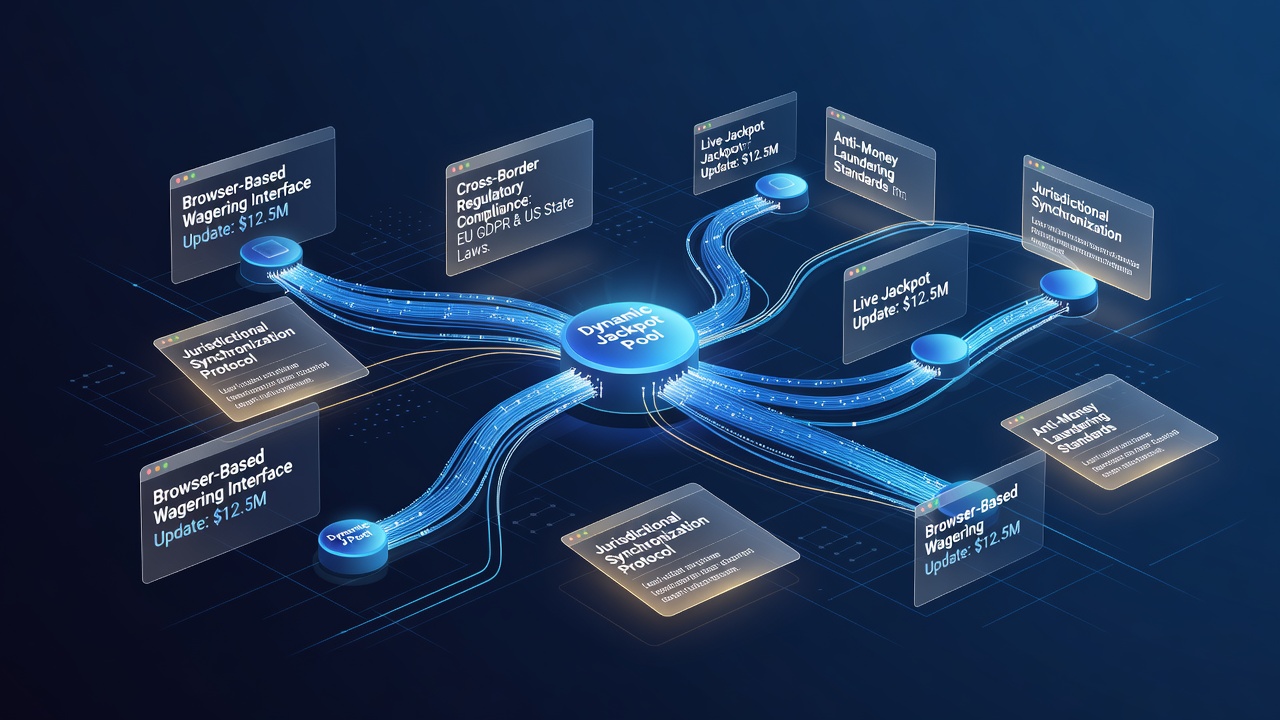
Dynamic jackpot pools operate through interconnected software layers that aggregate contributions from players in multiple jurisdictions, and browser-based wagering systems handle these pools by routing data across servers located in different regulatory zones. Observers note that synchronization requires real-time reconciliation protocols to ensure each jurisdiction's share of the pool reflects local tax rules and contribution caps without disrupting the overall accumulation rate.
Core Mechanics of Cross-Border Synchronization
Browser-based platforms use API endpoints to pull player stakes from various regions into a central pool while applying jurisdiction-specific multipliers, and this process runs continuously so that a player in one country sees the same total jackpot figure as participants elsewhere even though the underlying revenue splits differ. Data indicates that these systems rely on timestamped transaction logs to prevent double-counting or leakage when regulatory changes occur mid-session.
Researchers have tracked how operators segment the pool into sub-accounts tied to each licensing authority, and this segmentation allows automatic withholding of funds that must stay within a particular market under local law. Those who manage these networks report that any delay in regulatory reporting can trigger temporary freezes on new contributions until compliance checks clear.
Regulatory Alignment Across Regions
Cross-border frameworks demand that jackpot contributions respect varying minimum and maximum bet thresholds set by each authority, and operators achieve this by embedding rule sets directly into the pool management software. According to reports from the Malta Gaming Authority, platforms must demonstrate that their synchronization engines can isolate and redirect funds when a participating jurisdiction alters its gaming tax structure.
Figures from the New Jersey Division of Gaming Enforcement show that browser-based systems handling progressive jackpots across state lines recorded a 14 percent increase in cross-border transactions during the first half of 2026, and this growth coincided with updated data-sharing agreements between regulators in neighboring markets. The agreements specify audit trails that every participating operator must maintain for at least seven years.
Technical Challenges in August 2026
In August 2026 several operators updated their synchronization modules to accommodate new reporting formats required by multiple European and North American regulators simultaneously. These updates addressed latency issues that previously caused brief mismatches between displayed jackpot amounts and actual pooled funds when traffic spiked during evening peak hours.

Engineers addressed the problem by deploying edge computing nodes closer to regional data centers, and this reduced the time required for regulatory checks from several seconds to under 300 milliseconds. The change allowed pools to remain open for new bets even while compliance scripts ran in the background.
Case Examples from Multiple Markets
One operator managing a browser-based progressive network across Canada and parts of Europe adjusted its pool allocation after Ontario's iGaming regulator introduced revised contribution limits in early 2026. The adjustment involved splitting the pool into regional ledgers that automatically reconcile every 15 minutes, and this approach prevented any single jurisdiction from exceeding its mandated cap.
Another example involves a platform operating in Australia and several Southeast Asian markets where daily settlement reports must reach each regulator before midnight local time. The system uses coordinated time zones and automated alerts so that any discrepancy in jackpot reporting triggers an immediate review rather than waiting for end-of-day reconciliation.
Data Security and Compliance Layers
Security protocols require encryption of all jackpot-related data streams, and operators layer additional access controls that restrict which regional teams can view or modify pool parameters. Industry reports from the European Gaming and Betting Association highlight that these controls have reduced unauthorized access attempts by 22 percent year-over-year as of mid-2026.
Browser-based systems also incorporate geofencing checks at the point of contribution, and these checks verify that each player's location matches an approved jurisdiction before the stake enters the pool. When a player crosses a border during an active session the system pauses further contributions until the new location is validated against current regulatory lists.
Conclusion
Dynamic jackpot pools in browser-based wagering continue to evolve alongside shifting regulatory demands, and synchronization mechanisms now incorporate automated compliance checks that operate across multiple time zones and legal frameworks. Continued refinement of these technical and procedural layers supports consistent operation while meeting the distinct requirements of each participating authority.