Uncovering Demographic Influences on Adaptive Reward Structures Within Portable Live Gaming Ecosystems
Jakob Reed · Jul 22, 2026

Uncovering Demographic Influences on Adaptive Reward Structures Within Portable Live Gaming Ecosystems
Portable live gaming ecosystems have expanded rapidly in recent years as operators integrate real-time dealer interactions with mobile platforms and demographic data now shapes how reward structures adapt to individual player profiles. Studies from industry analysts show that age, location, income levels, and device preferences all correlate with distinct patterns in how users respond to personalized bonuses, loyalty points, and cashback offers within live dealer environments.
Age-Based Variations in Reward Engagement
Younger players between 18 and 34 demonstrate higher interaction rates with instant reward mechanisms such as time-limited free spins and streak bonuses while older cohorts aged 45 and above show stronger retention when adaptive systems emphasize progressive loyalty tiers and milestone achievements. Data collected across North American and European platforms indicates that mobile users under 30 complete an average of 2.3 times more live game sessions when rewards trigger automatically based on session length rather than total wager volume.
Research conducted by academic institutions reveals that players in their fifties and sixties respond more consistently to reward structures that incorporate social elements like shared leaderboards or community challenges within live blackjack and roulette rooms. These patterns emerge because adaptive algorithms adjust payout frequencies and bonus types according to historical behavior logs segmented by birth year cohorts.
Geographic and Cultural Factors at Play
Location data collected through GPS and IP tracking further refines how operators calibrate rewards for portable users. Participants in urban markets across the United States and Australia display elevated engagement with high-frequency micro-rewards while users in regional areas tend to favor larger but less frequent prize distributions tied to weekly play milestones. Regulatory filings from bodies such as the Nevada Gaming Control Board document similar geographic divergences in player activity logs submitted by licensed mobile operators during the first half of 2026.
Income and Device Correlations
Income brackets also influence adaptive mechanics as higher-earning demographics receive tailored offers that emphasize premium table access and exclusive live tournament entries whereas lower-income segments encounter more frequent deposit-match promotions and risk-free bet structures. Device type adds another layer since users on high-end smartphones interact differently with visual reward animations compared to those on mid-range Android devices.
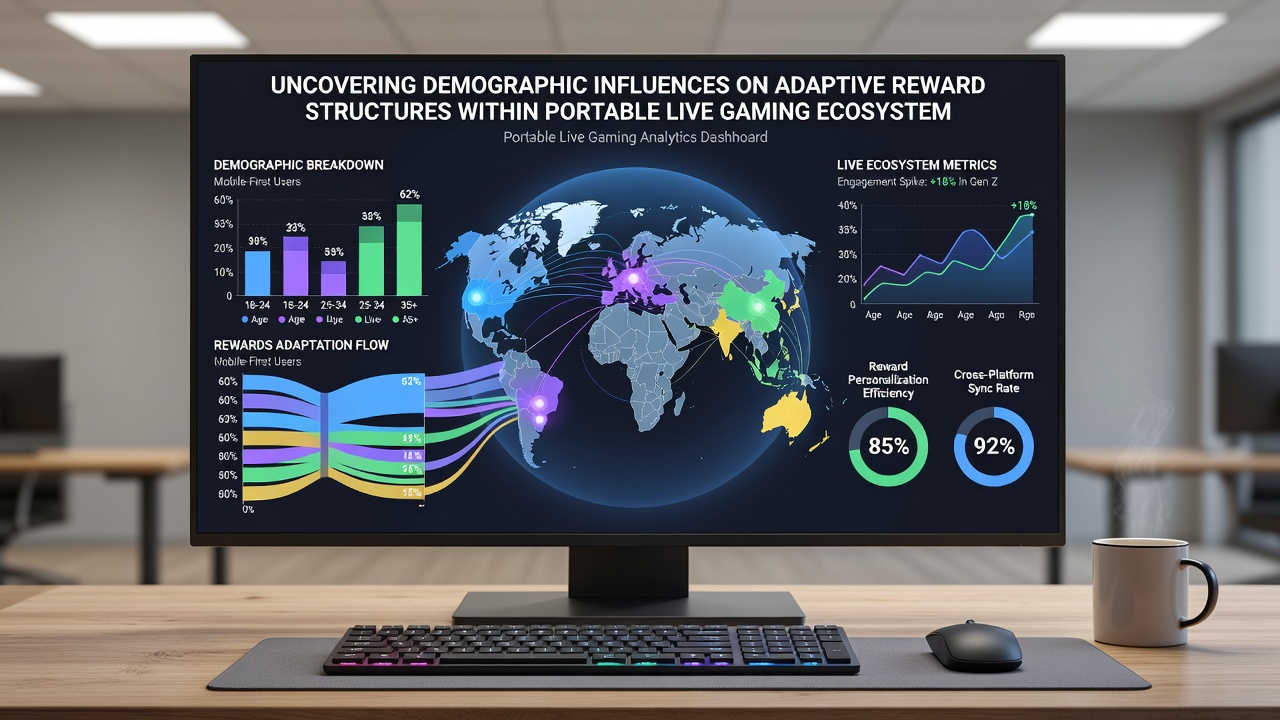
Platform operators have begun integrating these variables into machine learning models that recalibrate reward parameters in real time. For instance when a 28-year-old user in a metropolitan Canadian area logs into a live poker room the system may prioritize short-term achievement badges while a 52-year-old player in the same region receives offers weighted toward cumulative playtime rewards. Figures released by the Australian Gambling Research Centre in July 2026 confirm that such segmented approaches have increased average session durations by 18 percent across tracked mobile ecosystems.
Implementation Patterns Across Operators
Operators deploying adaptive systems collect anonymized demographic datasets that feed into decision trees governing bonus eligibility and prize sizing. These models update weekly to reflect shifting engagement metrics and account for seasonal fluctuations such as increased mobile traffic during summer months. Observers note that July 2026 data sets particularly highlight elevated participation from younger demographics during evening hours when live dealer tables operate at peak capacity.
Cross-platform comparisons reveal that reward structures calibrated for gender differences produce measurable outcomes. Female users across multiple markets show stronger responses to narrative-driven loyalty programs that incorporate story elements around live game milestones whereas male users demonstrate steadier engagement with competitive reward ladders based on win streaks and table rankings. These distinctions arise directly from aggregated behavioral telemetry rather than assumptions about preferences.
Regulatory and Technical Considerations
Regulatory frameworks in multiple jurisdictions now require operators to disclose how demographic variables influence reward delivery to ensure transparency and prevent discriminatory practices. Technical standards developed by international gaming associations specify that adaptive algorithms must maintain audit trails documenting every parameter adjustment tied to age, location, or income signals. Compliance documentation submitted in mid-2026 demonstrates that leading platforms have implemented these logging requirements without disrupting the seamless mobile experience players expect.
Integration challenges remain as operators balance personalization depth against data privacy obligations. Systems that over-segment risk reducing reward variety for smaller demographic groups while under-segmentation dilutes the precision that drives engagement gains. Industry reports indicate that successful deployments maintain at least five distinct demographic tiers while allowing individual player behavior to override group defaults when sufficient session history accumulates.
Conclusion
Demographic influences on adaptive reward structures continue to shape portable live gaming ecosystems as operators refine algorithms to match observed player patterns across age, geography, income, and device categories. Evidence from regulatory filings and research centers shows measurable differences in engagement when reward parameters adjust according to these variables. Continued monitoring of these systems through 2026 and beyond will clarify how effectively such adaptations sustain long-term participation while meeting evolving compliance standards.