Tracing Incentive Lifecycles From Initial Claim Through Multiple Game Interactions to Final Payout in Virtual Betting Systems
David Bauer · Aug 1, 2026
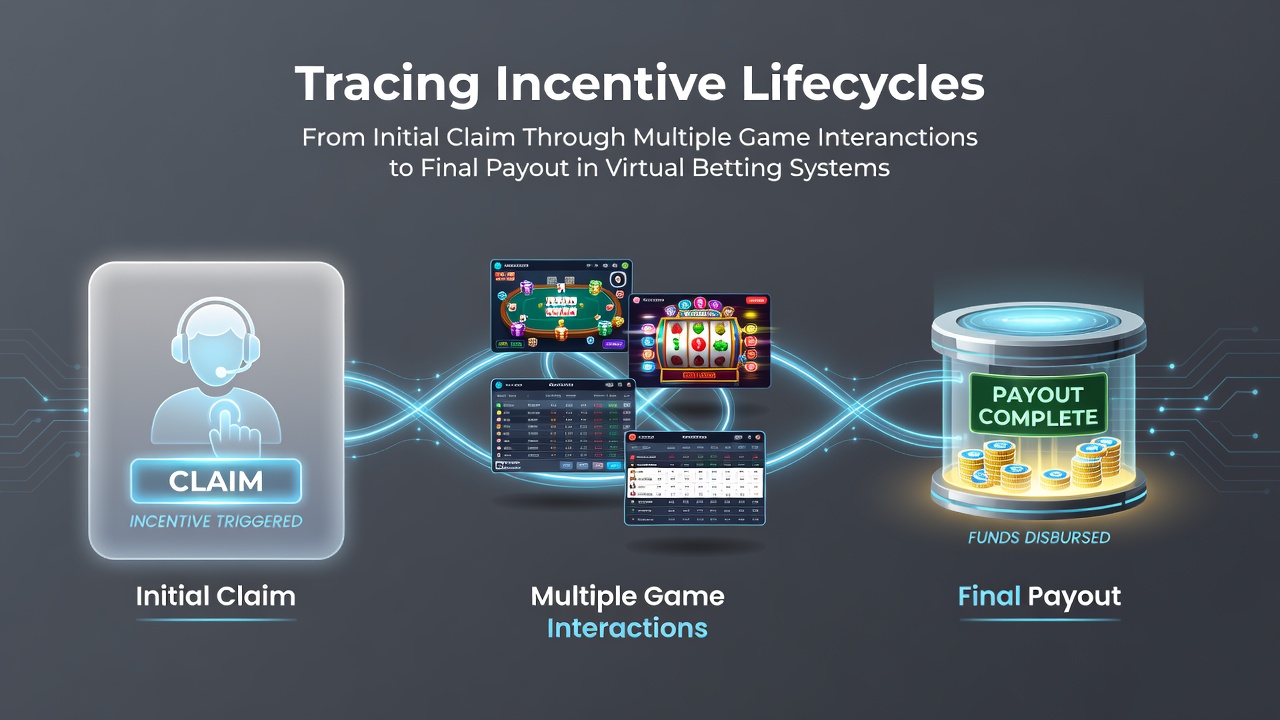
Tracing Incentive Lifecycles From Initial Claim Through Multiple Game Interactions to Final Payout in Virtual Betting Systems
Virtual betting systems track incentives through structured lifecycles that begin when a player claims a reward and extend across repeated game sessions until funds reach a verified account. These processes rely on integrated software that records every interaction, applies playthrough conditions, and verifies compliance before releasing payouts, with operators using centralized databases to monitor activity in real time.
Initial Claim and System Registration
Players initiate the lifecycle by selecting a promotional offer through an account dashboard, where the system immediately assigns a unique identifier to the incentive and logs the claim timestamp along with associated terms such as wagering multiples and eligible game categories. Software platforms then credit the bonus amount to a segregated wallet segment, separating it from any real-money balance to prevent commingling during subsequent play sessions, while automated flags activate to enforce geographic and age restrictions based on account data.
Registration protocols require confirmation of identity documents in many jurisdictions, and once verified the incentive enters active status with a defined expiration window that operators adjust according to regulatory guidelines. Data from the New Jersey Division of Gaming Enforcement indicates that claim volumes rose notably during summer months, reflecting seasonal engagement patterns across digital platforms.
Progress Through Multiple Game Interactions
After activation the incentive moves into the interaction phase, where each wager deducts from the bonus balance according to predefined contribution rates that vary by game type, such as 100 percent for slots and lower percentages for table games. The tracking engine updates contribution totals continuously, applying algorithms that calculate remaining requirements while accounting for wins that may replenish playable funds without resetting the original playthrough target.
Systems often segment activity across different titles to ensure players meet diversification rules, and when a user switches between games the ledger records cumulative progress without resetting counters. Observers note that this multi-game routing prevents concentration in low-volatility options that might otherwise accelerate completion unfairly, and in August 2026 several platforms reported expanded use of cross-title tracking to align with updated compliance standards.
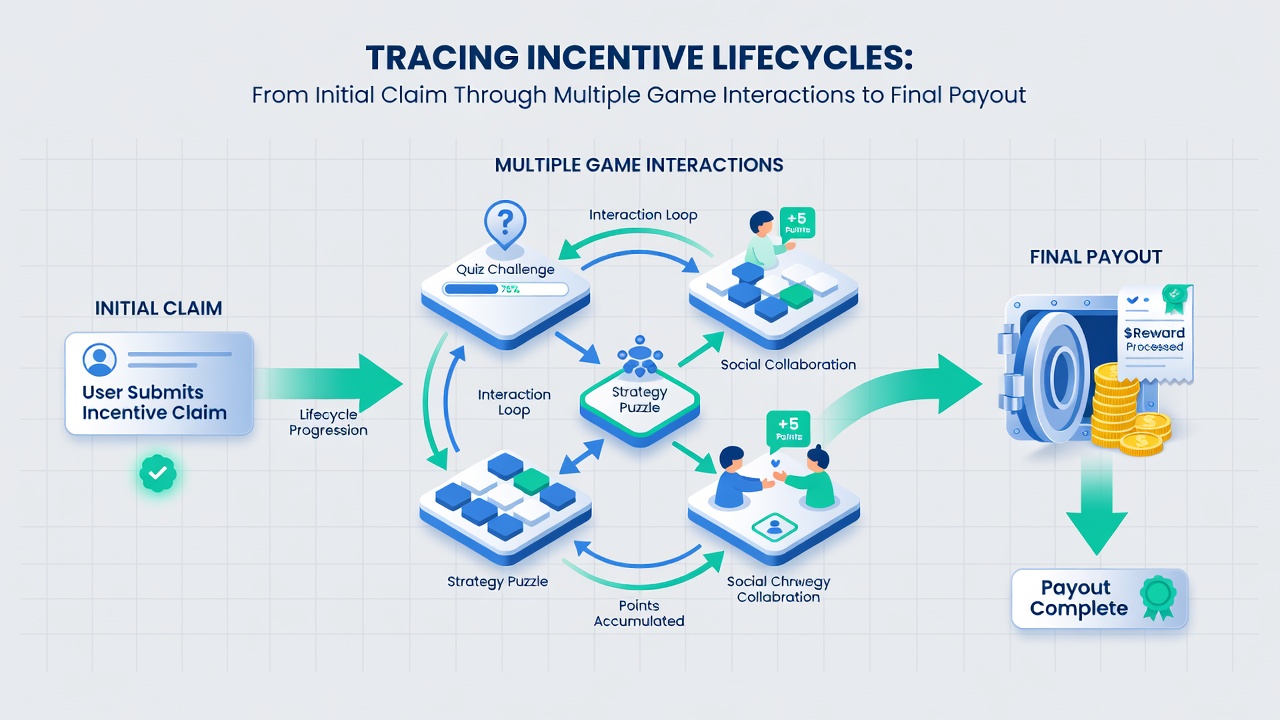
Verification, Adjustments, and Compliance Checks
Throughout the lifecycle automated audits scan for irregular patterns such as rapid bet sizing or coordinated account activity, triggering temporary holds when thresholds are exceeded until manual review clears the sequence. Adjustments occur when partial forfeitures apply due to early withdrawals or when promotional extensions activate following system-detected technical issues, with all changes timestamped and appended to the incentive record for audit trails.
Operators integrate third-party tools that cross-reference player behavior against historical datasets, allowing rapid identification of potential bonus abuse while preserving legitimate progression toward payout eligibility. Research from the Alcohol and Gaming Commission of Ontario highlights how such layered verification has reduced disputed claims in regulated markets by correlating interaction logs with payout requests.
Final Payout Execution
Once all conditions reach satisfaction the system transfers eligible funds from the bonus wallet to the cashable balance, initiating a payout request that routes through payment processors after final fraud screening. Processing times depend on chosen methods, with digital wallets often completing transfers within hours while bank transfers require additional business-day confirmations, and every successful payout updates the player history file to inform future incentive offers.
Records remain accessible to both operators and players through account portals, providing transparency on the full lifecycle from initial claim date through final disbursement. These documented sequences support regulatory reporting requirements and enable platforms to refine future incentive structures based on aggregate completion rates across user segments.
Conclusion
The lifecycle framework in virtual betting systems creates a traceable path that links each claim to its eventual resolution through sequential game engagements and verification steps. By maintaining detailed logs at every stage operators meet compliance expectations while delivering consistent experiences for participants navigating promotional rewards to cashable outcomes.