Tracing Connections Between Regional Policy Shifts and Cryptocurrency Payout Reliability in Portable Slot Ecosystems
Hugo Reed · Aug 5, 2026
Tracing Connections Between Regional Policy Shifts and Cryptocurrency Payout Reliability in Portable Slot Ecosystems
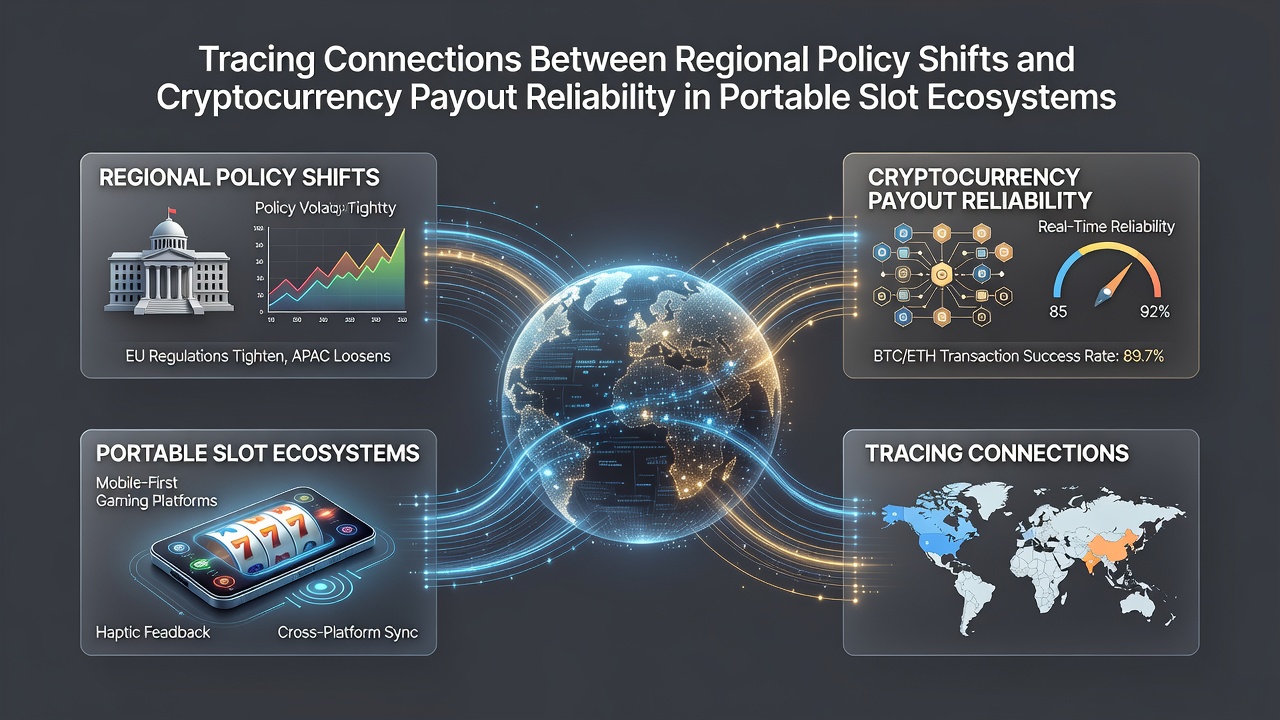
Regional policy shifts continue to reshape how cryptocurrency transactions operate within portable slot ecosystems, with regulators adjusting rules around digital asset transfers that directly influence payout speeds and verification processes. Data from multiple jurisdictions show that changes in banking integration requirements often determine whether mobile operators can maintain consistent crypto disbursement timelines, particularly when platforms rely on blockchain networks for instant settlements. Observers note that these adjustments create measurable effects on transaction reliability as operators adapt to new compliance layers without disrupting user access on handheld devices.
Policy Adjustments Across Key Markets
European directives on digital finance have prompted several member states to align cryptocurrency oversight with existing gaming frameworks, resulting in standardized reporting that affects how portable platforms process withdrawals. Australian authorities issued updated guidance in mid-2026 requiring enhanced traceability for virtual currency flows in online gaming, and this measure correlates with reported improvements in payout confirmation rates for compliant operators. Canadian provincial regulators, meanwhile, introduced licensing tiers that separate fiat and crypto handling, which studies indicate reduces delays during high-volume periods in mobile slot environments.
United States state-level variations add another layer, as some jurisdictions expanded sandbox programs for blockchain testing in gambling applications during the summer of 2026. These programs allow operators to test stablecoin options under controlled conditions, and early figures reveal shorter average settlement windows compared to unregulated channels. In contrast, stricter anti-money laundering protocols in certain Asian markets have lengthened verification steps, though they have also lowered reversal incidents once transactions clear initial checks.
Impact on Payout Mechanisms in Mobile Platforms
Portable slot ecosystems depend on seamless wallet integrations, and regional policy changes frequently alter the technical requirements for those connections. When governments mandate multi-signature approvals or third-party audits for crypto gateways, operators must update their backend systems accordingly, which data from industry reports link to more stable payout performance over time. Researchers tracking transaction logs across multiple apps found that regions with clearer crypto-gaming guidelines experienced fewer dropped payments during peak hours, whereas ambiguous rules correlated with temporary holds.

Payment processing times also shift when policies require real-time reporting to central databases. One analysis of European operators showed that after implementing shared regulatory portals, average crypto payout completion moved from several hours to under 45 minutes for verified accounts. Similar patterns appear in North American markets where sandbox approvals streamlined KYC checks, allowing mobile platforms to release funds faster without increasing fraud exposure. Those who've examined cross-border data sets note that operators using compliant stablecoins often maintain higher reliability metrics than those relying on volatile tokens subject to additional scrutiny.
Technical Adaptations and Compliance Overlaps
Developers of portable slot systems routinely adjust smart contract parameters to match evolving regional standards, such as embedding jurisdiction-specific pause functions or audit trails. These modifications help sustain payout consistency even when policies tighten around cross-border transfers. Industry associations tracking adoption rates report that platforms incorporating automated compliance modules experience fewer interruptions during policy transition periods, particularly around August 2026 when several updates took effect simultaneously.
Evidence from academic reviews of blockchain-gaming intersections suggests that regions harmonizing tax reporting with transaction monitoring achieve steadier outcomes for users accessing slots via wireless networks. Operators in these areas integrate APIs that flag non-compliant activity before it reaches settlement, reducing the need for manual interventions that historically caused delays. What's notable is how these overlaps between financial and gaming rules create feedback loops that gradually improve overall system resilience across different device types and operating systems.
Observed Patterns in Transaction Data
Comparative studies of payout logs indicate that policy clarity tends to support higher completion rates for cryptocurrency withdrawals in portable environments. Markets with established crypto-gaming bridges show lower variance in settlement times, while emerging frameworks sometimes introduce short-term volatility until operators finalize integrations. Figures released by research institutions tracking these metrics highlight that August 2026 saw several jurisdictions publish consolidated reports, allowing analysts to map direct correlations between specific rule changes and subsequent reliability improvements.
Operators adapting to these shifts often prioritize multi-chain support and enhanced encryption standards to meet diverse requirements without compromising speed. Observers tracking user activity across regions find that platforms demonstrating consistent adherence maintain stronger retention in mobile segments, as players experience fewer friction points during cash-out sequences.
Conclusion
Regional policy shifts continue to influence cryptocurrency payout reliability within portable slot ecosystems through layered compliance requirements and technical adaptations. Data across multiple markets demonstrate that clearer guidelines frequently align with improved settlement consistency, while ongoing adjustments in verification and reporting protocols shape operational outcomes for mobile operators. These connections remain visible in transaction patterns and system updates observed through mid-2026.