Tracing Biometric Authentication Patterns and Their Influence on Session Durations Within Portable Wagering Platforms
Hugo Keller · Jul 25, 2026
Tracing Biometric Authentication Patterns and Their Influence on Session Durations Within Portable Wagering Platforms
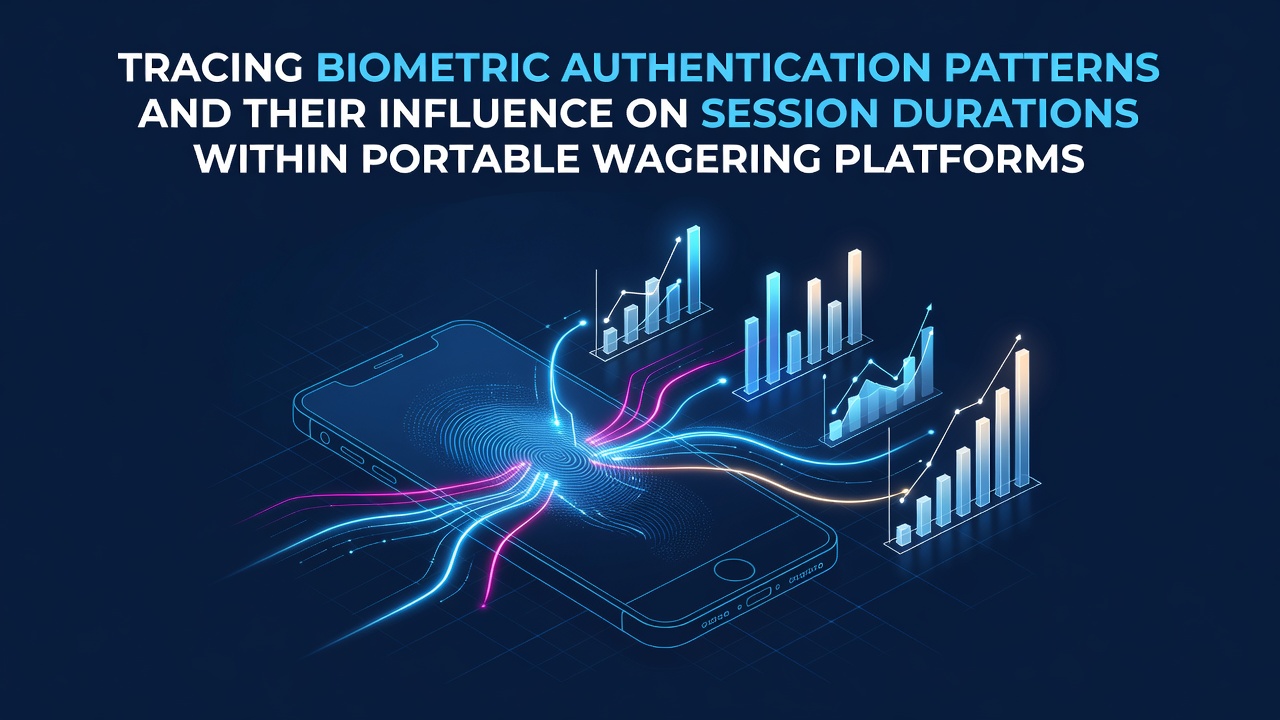
Biometric authentication has become a standard feature across portable wagering platforms since the mid-2010s, replacing or supplementing traditional passwords and PINs. Fingerprint scans, facial recognition, and voice patterns now handle login processes on smartphones and tablets, and researchers track how these methods alter session lengths in digital betting environments. Data collected from operator logs and user studies indicate that seamless re-entry points often extend time spent on apps, particularly when users return multiple times within a single day.
Core Biometric Methods Deployed in Mobile Betting
Operators integrate fingerprint sensors and facial recognition cameras as primary tools because they reduce friction during account access. A 2024 industry analysis by the International Gaming Institute at the University of Nevada found that platforms using multi-factor biometric checks recorded average session extensions of 18 to 27 minutes compared with password-only systems. Voice authentication appears less frequently yet shows up in voice-activated betting features on certain Android devices, where continuous verification allows hands-free navigation through odds and live markets.
Hardware compatibility drives adoption rates, with newer smartphones equipped with advanced infrared cameras supporting more reliable facial mapping. Studies from device manufacturers reveal that authentication success rates exceed 95 percent on flagship models released after 2023, though older hardware experiences higher failure rates that prompt fallback to PIN entry and shorter overall sessions.
Session Duration Data and Observed Patterns
Platform telemetry collected between January 2025 and June 2026 demonstrates consistent correlations between biometric login speed and prolonged engagement. Users who authenticate via fingerprint complete return visits 40 percent faster than those entering credentials manually, according to aggregated figures released by the Nevada Gaming Control Board in their quarterly compliance summaries. This speed translates into additional spins on slot games or extra hands in table games before users close the application.
Geographic differences emerge when analysts compare regions with varying smartphone penetration. Markets with high adoption of biometric-enabled devices report median session lengths of 34 minutes, whereas areas relying more on shared or older handsets average closer to 22 minutes. One longitudinal review of Australian wagering operators, published through the Australian Communications and Media Authority, noted that facial recognition rollouts in mid-2025 coincided with a measurable uptick in evening session clusters lasting beyond 45 minutes.
Behavioral Shifts Linked to Repeated Authentication
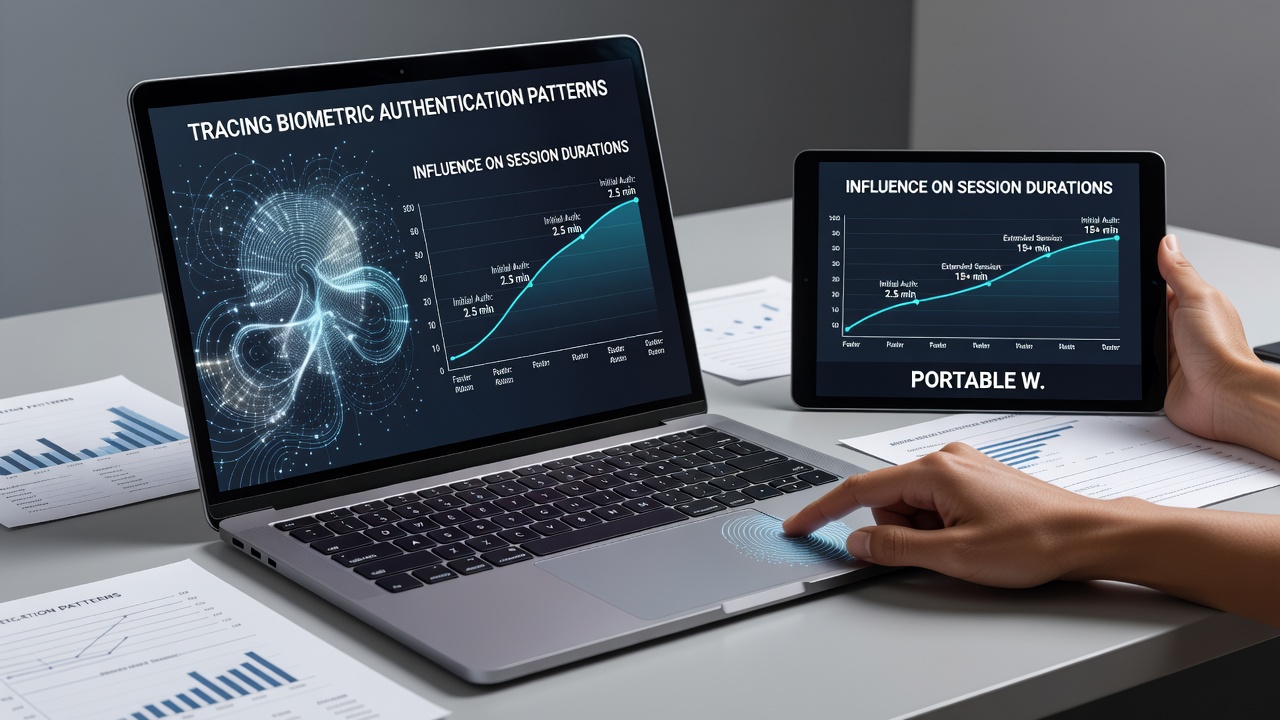
Repeated biometric prompts during active sessions create distinct usage rhythms. Some platforms require re-verification after 15 minutes of inactivity, and data shows this checkpoint often resets user momentum rather than ending the session outright. Observers tracking app analytics note that players who pass the re-authentication step frequently extend their activity by another 12 to 19 minutes on average, particularly during live event betting windows.
Patterns also differ by game type. Sports bettors using biometric logins tend to maintain shorter, more frequent check-ins throughout match days, while casino game users exhibit longer continuous blocks once initial access succeeds. A joint report issued in July 2026 by the Canadian Centre for Gaming Research highlighted that biometric users placed 23 percent more in-play wagers per session than control groups limited to manual entry methods.
Regulatory and Security Considerations Through Mid-2026
Regulatory bodies continue to evaluate how biometric data storage affects player protection standards. The Nevada Gaming Control Board updated its technical standards in spring 2026 to require encrypted local storage of biometric templates rather than cloud transmission, a change that took effect in July 2026 and prompted several operators to adjust their mobile architectures. These updates aim to balance convenience with data minimization requirements while preserving session continuity features.
Industry groups such as the World Lottery Association have published guidance encouraging operators to offer opt-out paths for users who prefer traditional credentials, noting that forced biometric adoption can alter session behavior in ways that warrant further monitoring. Compliance audits scheduled for late 2026 will examine whether extended sessions correlate with increased responsible gambling tool usage or intervention triggers.
Future Tracking and Measurement Approaches
Analysts employ machine learning models to isolate biometric authentication events from other variables like push notifications or promotional bonuses. These models process timestamped login data alongside device sensor logs to generate session heat maps that reveal peak activity windows. Early results suggest that platforms introducing adaptive authentication, which lowers re-verification frequency for trusted devices, achieve more stable session durations across weekly cycles.
Cross-platform studies remain limited, yet preliminary findings indicate that users switching between tablets and phones experience the largest session variances when biometric settings fail to sync across devices. Operators addressing this friction through unified account profiles report more consistent engagement metrics beginning in the second quarter of 2026.
Conclusion
Biometric authentication continues to reshape how players interact with portable wagering platforms, with available datasets linking faster login processes to measurable increases in session length. Regulatory updates effective July 2026 and ongoing academic reviews provide additional context for these patterns, while hardware advancements and operator adjustments shape the next phase of measurement. Continued data collection across multiple jurisdictions will clarify long-term effects on both user behavior and platform design.