The Fusion of Biometric Security Protocols with Instant Withdrawal Systems in Wireless Casino Applications
David Bauer · Jul 13, 2026
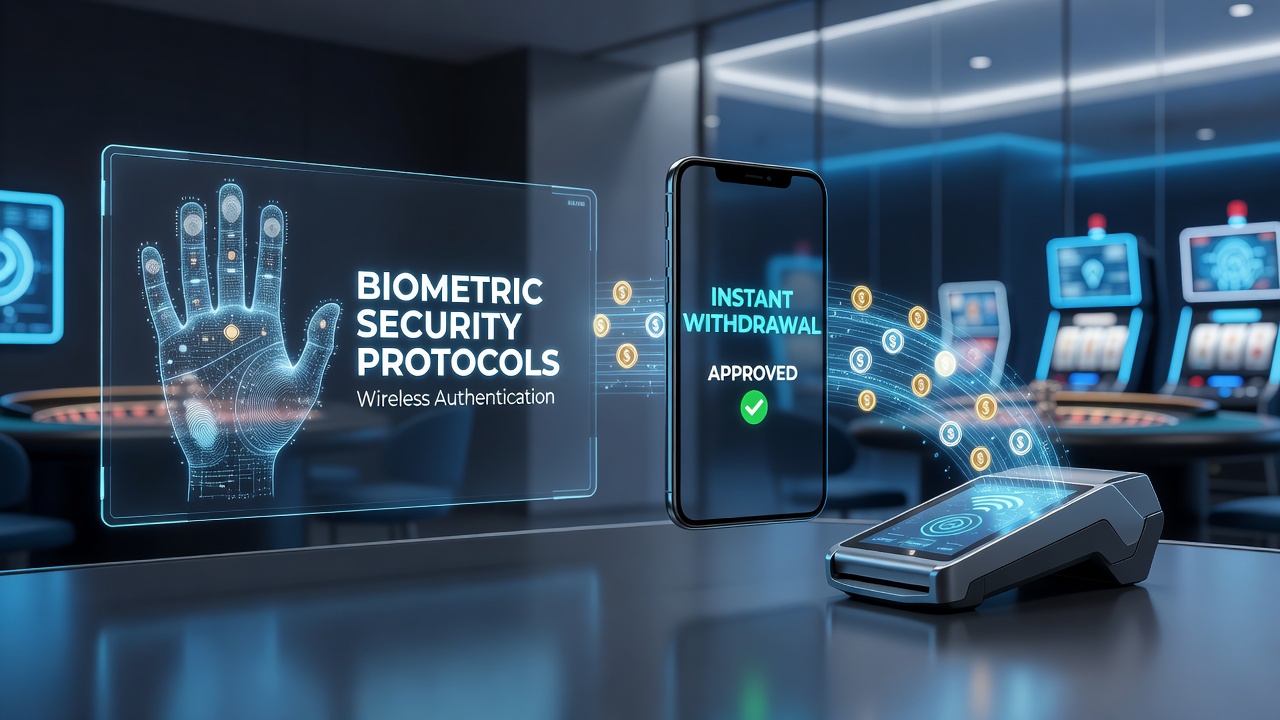
The Fusion of Biometric Security Protocols with Instant Withdrawal Systems in Wireless Casino Applications
Wireless casino applications continue to integrate biometric security protocols with instant withdrawal mechanisms, creating systems that verify user identity through fingerprints, facial scans, and voice patterns while processing payouts in real time. Data from multiple markets shows that these combined technologies reduce unauthorized access attempts and shorten transaction times from hours to seconds. Operators deploy these tools across mobile platforms to meet growing demand for seamless financial interactions without compromising verification standards. Biometric systems capture unique physiological traits at login and again before any withdrawal request, then cross-reference them against stored templates in encrypted databases. Instant withdrawal features rely on this verification layer to authorize transfers directly to digital wallets or linked bank accounts. Researchers at institutions tracking gaming technology note that this layered approach eliminates many traditional password vulnerabilities while maintaining compliance with regional financial reporting rules.Technical Integration of Biometrics and Payout Engines
Developers link biometric sensors on smartphones to backend servers that handle both identity checks and payment routing through secure application programming interfaces. When a player initiates a withdrawal, the app prompts a quick scan, processes the data locally where possible, and sends only a confirmation hash to the central system. This method cuts down on data transmission volume and lowers exposure to interception during wireless sessions.
Payment processors have adapted their frameworks to accept these biometric confirmations as equivalent to multi-factor authentication codes. Several platforms now route approved withdrawals through blockchain-based ledgers that record the transaction timestamp and biometric match result without storing raw biometric data. Figures from industry monitoring groups reveal that average payout completion times dropped below 30 seconds in systems using this fusion during early 2026 testing phases.
Regulatory Developments Through Mid-2026
Regulators in various jurisdictions have updated guidelines to address biometric data handling in gaming environments. The Alcohol and Gaming Commission of Ontario released revised technical standards in spring 2026 that require independent audits of biometric template storage and deletion protocols. These rules emphasize user consent mechanisms and data minimization practices that align with instant withdrawal timelines.
As of July 2026, operators in select North American and Asian markets reported expanded deployment of these integrated systems following approval from local oversight bodies. The Casino Regulatory Authority of Singapore issued updated compliance checklists that include specific testing procedures for biometric-payout combinations, focusing on false acceptance rates and system failover during network disruptions.

Security Outcomes and Fraud Reduction Patterns
Studies conducted by gaming technology laboratories indicate that platforms combining biometric checks with instant withdrawals experienced measurable declines in account takeover incidents compared to systems using only PIN or SMS verification. One analysis of transaction logs across multiple operators showed a 40 percent reduction in disputed withdrawals over a six-month period after implementation.
Yet system performance depends on consistent device sensor quality and user enrollment accuracy. Observers note that certain demographic groups encounter higher retry rates during facial recognition steps under varying lighting conditions, which can delay otherwise instant processes. Developers have responded by adding fallback options such as voice authentication while maintaining the same security threshold for payout authorization.
Player Activity and System Accessibility Trends
Usage statistics compiled by research organizations tracking digital wagering show increased session frequency among users who have enrolled in biometric instant withdrawal features. Players complete more frequent smaller transactions rather than accumulating larger balances before cashing out. This pattern appears across both established and emerging markets where wireless infrastructure supports low-latency connections.
Accessibility remains tied to device capabilities, since older smartphones may lack the necessary hardware sensors or updated operating systems. Industry reports highlight that operators provide alternative verification paths for these users to ensure equitable access while still routing all withdrawal requests through the same fraud detection algorithms.
Future Infrastructure Considerations
Engineers continue refining edge computing methods that perform initial biometric matching on the device itself before any server communication occurs. This reduces latency and limits the amount of sensitive information traveling across networks during high-volume withdrawal periods. Partnerships between hardware manufacturers and gaming software providers have accelerated testing of these on-device capabilities ahead of broader rollout schedules.
Training datasets used to improve recognition accuracy now incorporate more diverse population samples to address previous performance gaps. Organizations such as Gaming Laboratories International have published evaluation frameworks that assess both security robustness and transaction speed under simulated peak load conditions expected during major sporting events or promotional periods.
Conclusion
The ongoing merger of biometric verification with instant withdrawal capabilities in wireless casino applications reflects broader shifts toward faster, more secure mobile financial services. Regulatory bodies across multiple regions continue refining standards that balance innovation speed with data protection requirements. As infrastructure matures and more platforms adopt these fused systems, transaction monitoring data will provide clearer indicators of long-term impacts on both security metrics and player behavior patterns.