Shifting Dynamics of Player Engagement Through Customized Reward Systems in Virtual Betting Arenas
David Bauer · May 18, 2026
Shifting Dynamics of Player Engagement Through Customized Reward Systems in Virtual Betting Arenas
Virtual betting arenas have expanded rapidly over the past decade as platforms integrate data analytics to refine how they interact with participants, and customized reward systems now sit at the center of those efforts. Operators gather information on betting patterns, session lengths, and preferred game types which enables them to deliver incentives that match individual behaviors rather than offering uniform bonuses to everyone.
From Standard Bonuses to Tailored Incentives
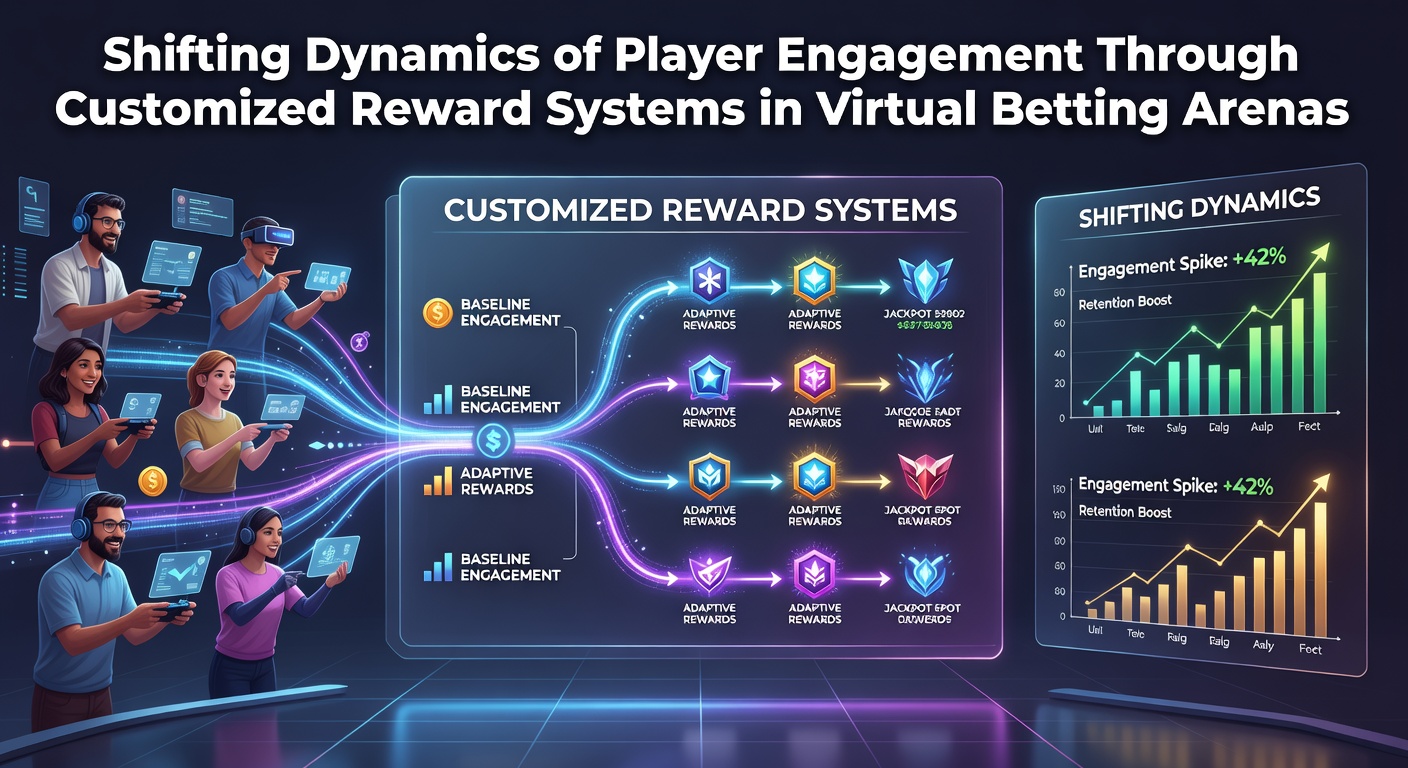
Early virtual betting sites relied on generic welcome packages and fixed loyalty points that applied across the board, yet those approaches produced diminishing returns as competition grew. Modern systems instead use algorithms to adjust offers in real time, for instance granting higher cashback rates to players who favor high-volatility slots while routing frequent table-game users toward tournament entries or exclusive live-dealer tables. Data from industry analyses shows that such segmentation correlates with longer average session times and increased repeat visits across multiple jurisdictions.
Researchers at institutions focused on digital leisure studies have tracked how these adjustments affect retention metrics, and findings indicate that players who receive at least one personalized reward per week demonstrate measurable increases in activity levels compared with control groups that receive static promotions. The shift reflects broader technological capabilities in cloud computing and machine learning that allow platforms to process behavioral signals without manual intervention.
Data Infrastructure Behind Personalization
Behind every customized reward lies a layered data collection process that begins the moment a user creates an account. Platforms record deposit frequencies, game selection sequences, and even the time of day when activity peaks, then feed those variables into recommendation engines. One major operator in the European market reported that its system evaluates more than fifty distinct data points before generating an offer, resulting in reward redemption rates that exceed those of earlier blanket campaigns.
Regulatory frameworks in several regions require transparent disclosure of how such data informs rewards, and compliance teams now embed audit trails that document each algorithmic decision. In May 2026, licensing authorities across multiple states are scheduled to review updated reporting standards that will require operators to publish anonymized summaries of reward distribution effectiveness, a move expected to increase accountability while still permitting innovation.
Measuring Engagement Outcomes
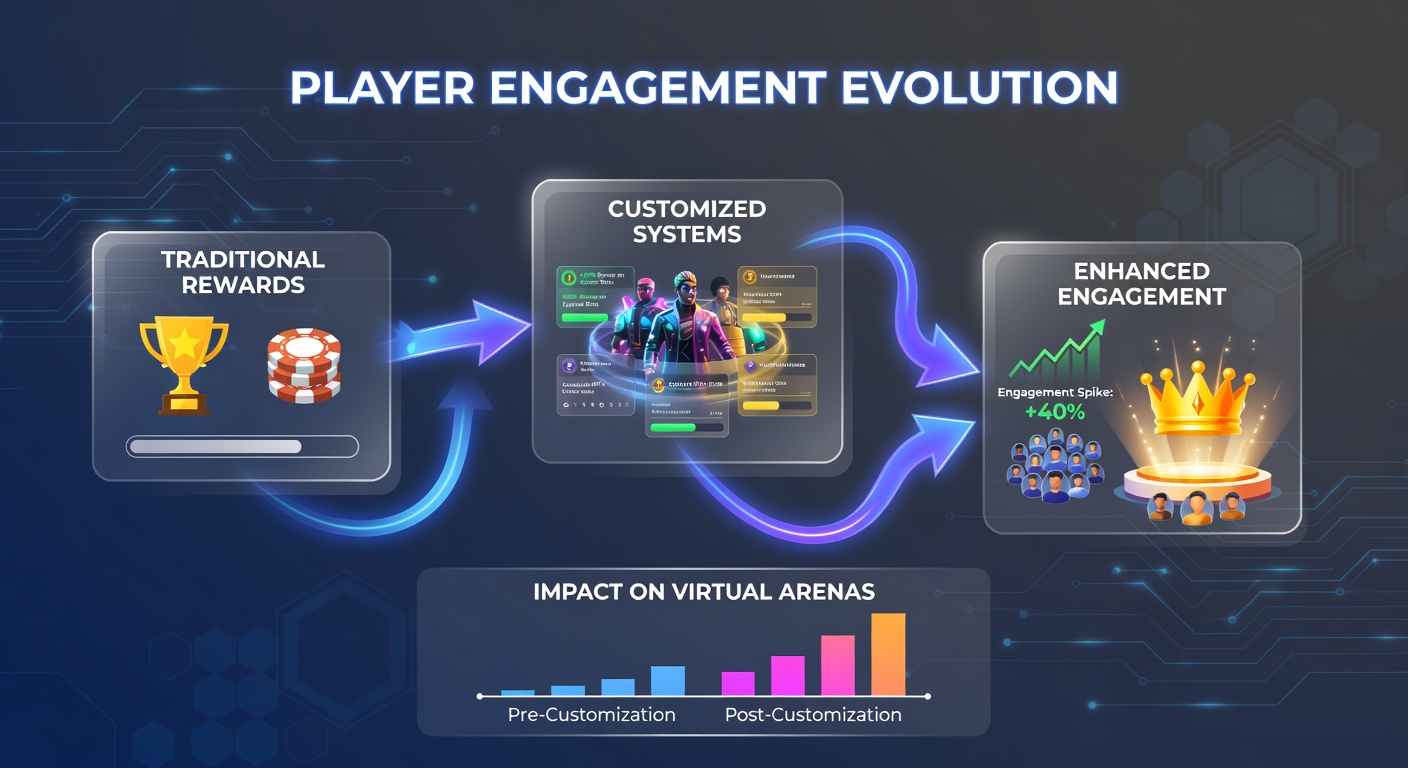
Engagement metrics have evolved alongside reward systems, moving beyond simple login counts to include depth of play and cross-product exploration. Studies conducted by academic groups in North America reveal that players exposed to dynamic reward tiers show higher rates of trying new game categories, which in turn supports revenue diversification for operators. For example, a participant who typically sticks to sports wagering might receive a tailored free spin package that encourages a first visit to the slots lobby, and subsequent tracking often shows sustained interest if the initial experience proves positive.
Figures released by the American Gaming Association indicate that customized loyalty structures contribute to a larger share of total player value than fixed programs did five years earlier, although exact percentages vary by market maturity and regulatory environment. Observers note that these gains appear most pronounced among mid-tier participants rather than high-volume users, suggesting that segmentation strategies help capture value that previously went unaddressed.
Regional Variations and Emerging Standards
Different jurisdictions apply distinct rules to reward mechanics, which influences how platforms design their systems. Canadian provincial regulators emphasize responsible play messaging within reward notifications, while Australian state authorities focus on spend limits that automatically adjust based on recent activity. These variations mean operators must maintain flexible backend configurations capable of satisfying multiple compliance layers without disrupting the user experience.
Industry associations such as the European Gaming and Betting Association have published guidelines that encourage operators to provide clear opt-out paths for personalized offers, and adoption of those practices continues to spread. The result is a patchwork of approaches that still share the common goal of sustaining long-term participation through relevance rather than volume.
Future Trajectory
Looking ahead, integration of augmented reality elements and social features into reward delivery appears likely, allowing participants to share achievements or compete in community challenges that unlock collective bonuses. Platforms that already experiment with such features report elevated social interaction metrics, although broader rollout depends on hardware adoption rates among users. Continued refinement of predictive models will probably further reduce generic offers, concentrating resources on incentives that demonstrably extend engagement windows.
Conclusion
Customized reward systems have become a core operational component within virtual betting arenas because they align platform incentives with observable player preferences, and ongoing technological and regulatory developments suggest this alignment will grow more precise. Data-driven segmentation, regional compliance adaptations, and emerging delivery formats together shape how engagement evolves, producing measurable shifts in activity patterns across diverse markets.