Mapping the influence of licensing requirements on the availability of progressive prize pools in cross-border digital gaming networks
Hugo Keller · Aug 22, 2026
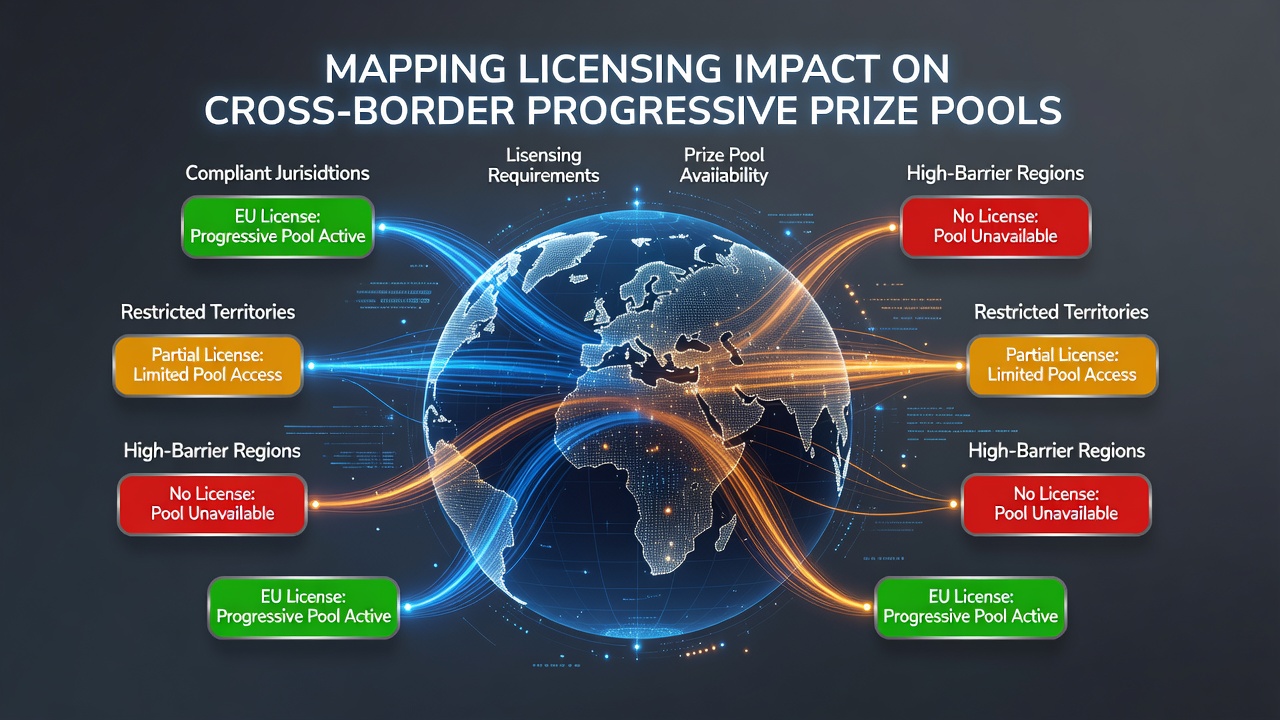
Mapping the influence of licensing requirements on the availability of progressive prize pools in cross-border digital gaming networks
Licensing frameworks across multiple jurisdictions determine whether operators can aggregate contributions into shared progressive prize pools that span national boundaries, and data from regulatory filings shows clear patterns in how these rules shape network availability. Operators must secure approvals in each participating territory before pooling player wagers, which creates layers of compliance that either enable or restrict jackpot growth across digital platforms.
Core licensing mechanisms that govern cross-border participation
Regulatory bodies require separate licenses for each market even when networks operate under unified technical systems, and this separation directly limits the number of jurisdictions that feed into a single progressive pool. Research from the European Gaming and Betting Association indicates that multi-license operators maintain larger prize pools in regions where reciprocal recognition agreements exist, whereas fragmented approval processes reduce pool sizes by restricting contributor bases. August 2026 saw several European operators submit joint applications to align licensing timelines, which allowed incremental expansion of cross-border pools without full re-authorization in every country.
Technical standards embedded in licenses further dictate data-sharing protocols between platforms, so operators must demonstrate secure transmission of wager data and prize calculations before regulators approve participation. Those who've examined compliance reports note that networks operating under unified standards from bodies like iGaming Ontario and the Malta Gaming Authority achieve faster integration compared with jurisdictions that impose bespoke encryption or reporting mandates.
How approval processes affect pool accessibility and size
Progressive prize pools depend on continuous contributions from players in multiple territories, yet licensing delays in one market can freeze the entire network's ability to accept new wagers from that region. Figures released by the Singaporean Gambling Regulatory Authority reveal that networks incorporating Asian markets experienced 18 percent slower pool growth during periods when license renewals lagged behind schedule. Operators respond by sequencing market entries according to regulatory calendars, which concentrates contributions in faster-approval zones and creates uneven distribution of jackpot availability.
Geographic variations in licensing impact
North American frameworks emphasize state-by-state or provincial approvals, and this structure forces networks to maintain separate progressive pools for each licensed area rather than a single cross-border fund. In contrast, certain African and Caribbean regulators permit pooled arrangements under regional agreements, which expands contributor bases and accelerates jackpot accumulation. Data compiled by the National Council of Legislators from Gaming States shows that cross-border pools involving multiple U.S. states remain smaller on average than those spanning EU member states with mutual recognition protocols.
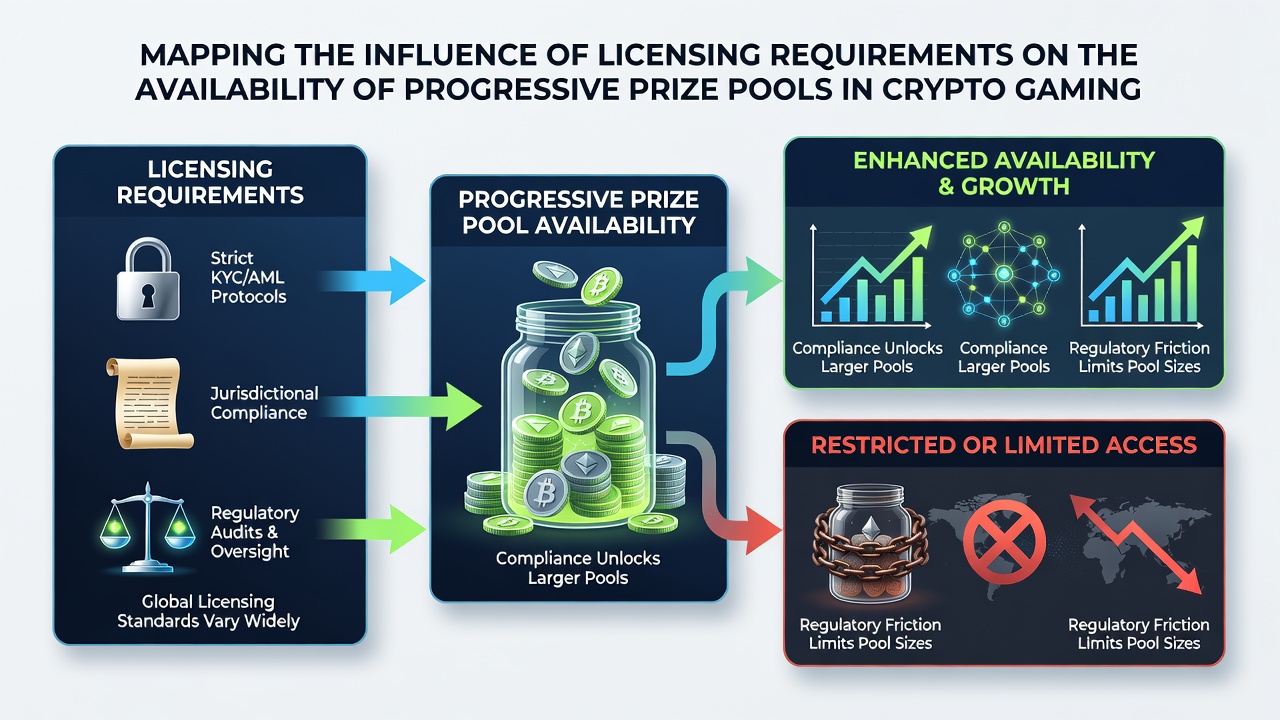
What's interesting is how license conditions around player fund segregation influence whether operators can include international contributions in real time. Some regulators mandate that local player stakes remain ring-fenced until prize claims are verified, which introduces latency that discourages participation from distant markets. Networks that navigate these conditions successfully often establish regional hubs where pooled funds are administered under the strictest applicable rules, thereby satisfying multiple authorities simultaneously.
Case examples of licensing-driven network adjustments
One documented network reduced its progressive pool from 14 jurisdictions to nine after a new licensing requirement in an Eastern European market prohibited revenue sharing across borders without additional capital reserves. Observers tracking these changes found that remaining contributors increased their per-player allocation to maintain pool momentum, yet overall growth rates declined until new licenses were obtained in alternative territories. Another operator shifted its primary hub to a jurisdiction with streamlined multi-country approval processes, which restored access to previously excluded markets within six months.
Academic analyses of licensing databases indicate that networks with pre-approved template agreements for progressive systems experience fewer interruptions when expanding into new regions. These templates outline standardized reporting formats and audit procedures that multiple regulators accept, which reduces duplication and accelerates the addition of new contributor markets. Turns out the presence of such templates correlates with larger average prize pools across the examined networks.
Regulatory trends shaping future pool configurations
Emerging licensing models incorporate provisions for automated compliance monitoring that track wager flows and prize liabilities in real time, and these systems allow regulators to approve cross-border participation with reduced manual oversight. Industry reports from the World Lottery Association highlight how such monitoring has enabled select networks to add contributors from previously restricted markets during 2026. Yet the same reports note that markets without compatible monitoring infrastructure continue to operate isolated pools, limiting overall availability.
Changes scheduled for implementation after August 2026 in several jurisdictions will require explicit disclosure of cross-border contribution percentages before license renewal, which may prompt operators to recalibrate pool structures to maintain compliance. Those monitoring regulatory dockets expect this transparency requirement to favor networks that already segment contributions by region, because such segmentation simplifies the required reporting.
Conclusion
Licensing requirements function as gatekeepers that control both the geographic reach and the operational scale of progressive prize pools in cross-border digital gaming networks. Evidence from regulatory filings, industry associations, and compliance records demonstrates consistent relationships between approval processes, technical standards, and the resulting availability of shared jackpots. As jurisdictions refine their frameworks, operators continue to adjust network configurations to align with evolving license conditions while maintaining the contribution flows that sustain progressive prize growth.