Mapping Cryptocurrency Adoption Patterns With Free Spin Mechanics Across Portable Gaming Platforms
David Bauer · May 20, 2026
Mapping Cryptocurrency Adoption Patterns With Free Spin Mechanics Across Portable Gaming Platforms
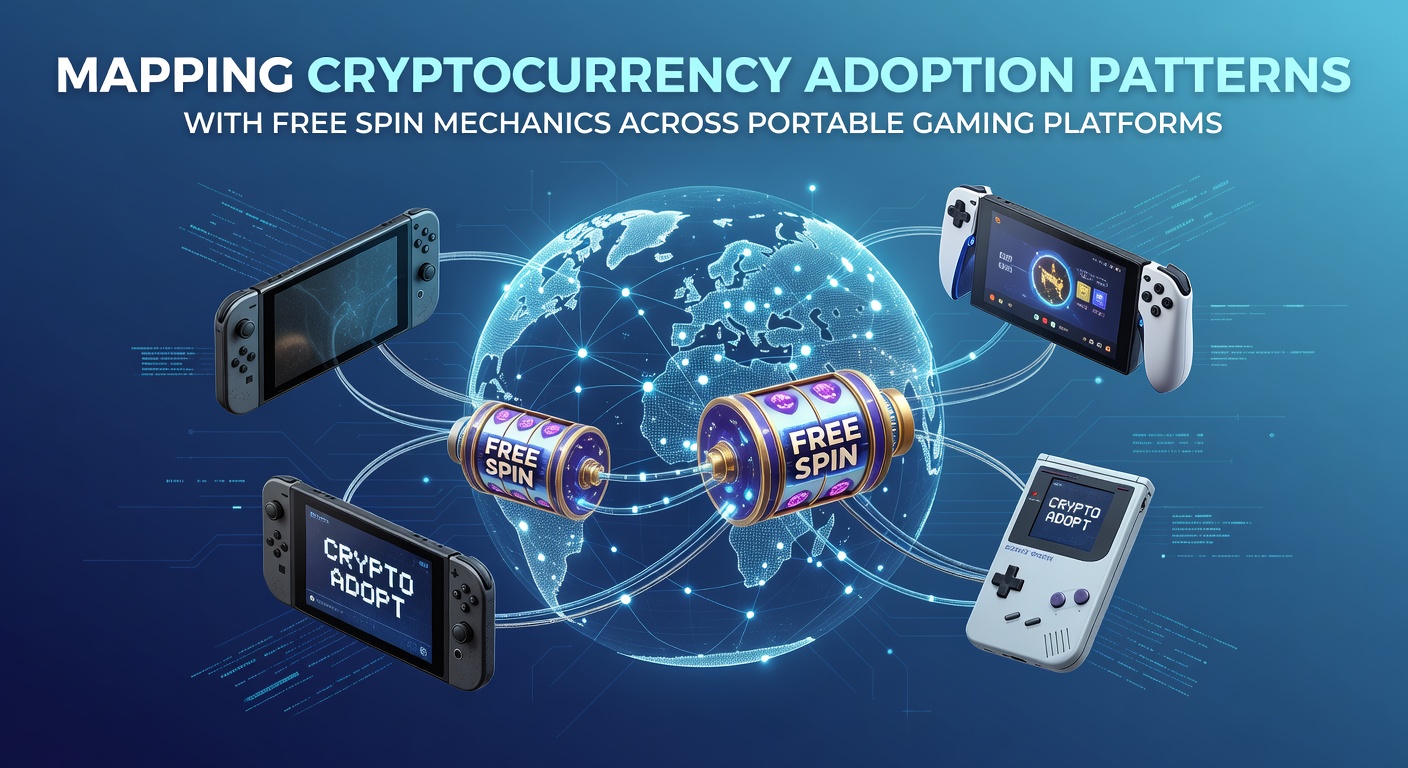
Portable gaming platforms continue to show measurable shifts in how cryptocurrency integrates with free spin mechanics, and researchers tracking these trends note distinct adoption curves that began accelerating after 2024. Data from multiple industry sources indicate that mobile users now encounter crypto-enabled reward systems in a growing number of casual and skill-based titles, where free spins function as entry points for digital asset accumulation rather than traditional bonus rounds.
Current Adoption Landscape in Mobile Environments
Observers tracking portable device usage report that free spin features tied to cryptocurrency wallets appear most frequently in games designed for both iOS and Android ecosystems. Figures released in early 2026 reveal that approximately 18 percent of new mobile gaming titles released between January and May incorporated some form of blockchain-linked reward distribution, with free spins serving as the primary mechanism for onboarding users to token systems. This pattern stands in contrast to earlier desktop-focused implementations, where integration required additional software layers that portable platforms have largely bypassed through direct app store approvals and built-in wallet connections.
Regional Variations in Uptake
Analysts at research institutions across North America and Asia have documented faster uptake in markets with established digital payment infrastructure. In regions served by the Canadian Gaming Association, mobile titles featuring crypto free spins recorded a 27 percent increase in active user sessions during the first quarter of 2026 compared with the same period in 2025. Meanwhile, data compiled by the European Games Developer Federation highlight similar growth in Nordic countries, where regulatory clarity around digital assets has encouraged developers to embed token mechanics directly into gameplay loops without requiring separate exchanges.
How Free Spin Mechanics Facilitate Crypto Entry Points
Free spins in portable gaming environments operate as low-friction gateways that convert playtime into small cryptocurrency allocations. Developers typically configure these mechanics so that accumulated spins generate fractional token rewards that users can transfer to external wallets after reaching modest thresholds. Studies conducted by academic teams at institutions such as the University of Malta’s gaming research unit show that retention rates improve when free spin systems display real-time token values rather than abstract point totals, because players receive immediate visual feedback on asset growth.
Technical implementations vary by platform. Some titles route rewards through layer-two blockchain solutions to minimize transaction fees on mobile data connections, while others batch distributions at the end of daily play sessions to reduce network load. These choices affect user perception of speed and cost, two factors that surveys indicate influence continued engagement more than the nominal value of the tokens themselves.
Patterns Emerging From Usage Data
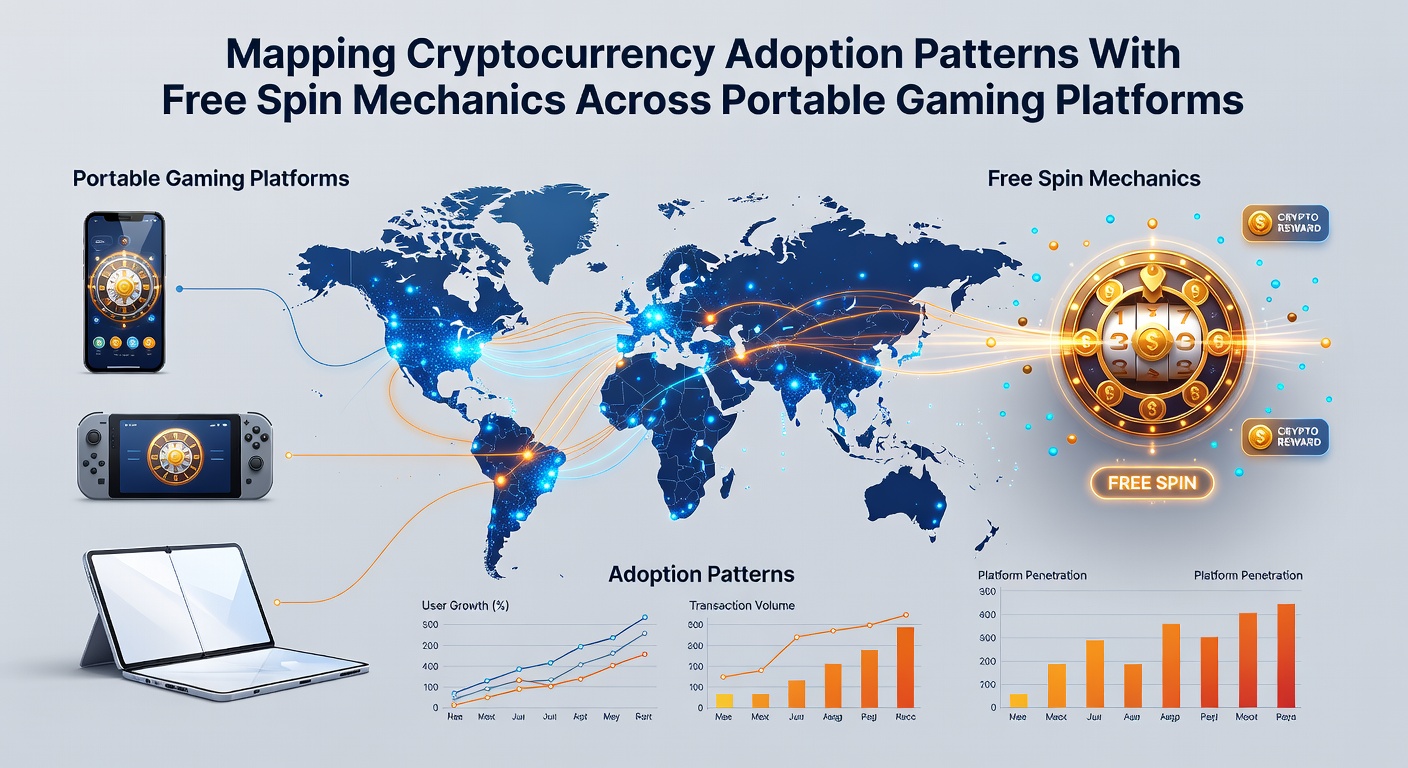
Longitudinal tracking by independent analytics firms reveals consistent demographic clustering around crypto-enabled free spin features. Users aged 25 to 34 represent the largest segment initiating wallet connections after completing initial free spin sequences, and session lengths in these cohorts extend by an average of 14 minutes compared with non-crypto versions of the same titles. Geographic heat maps produced from anonymized telemetry further indicate that adoption spikes coincide with periods when major cryptocurrencies experience price stability rather than volatility, suggesting players prefer predictable valuation environments when deciding whether to link digital assets to gameplay.
Device-level statistics add another dimension. Tablets continue to show higher conversion rates from free spins to wallet activity than smartphones, likely because larger screens accommodate detailed transaction confirmations without disrupting the visual flow of the game. Cross-platform synchronization tools now allow progress and token balances to transfer between devices, reducing friction for users who switch between portable hardware throughout the day.
Integration Challenges and Developer Responses
Developers face ongoing technical and compliance considerations when embedding cryptocurrency mechanics into portable titles. App store guidelines in several jurisdictions require clear disclosure of token economics before users initiate free spin sequences, prompting studios to include concise in-game explanations alongside standard reward animations. Security audits have become standard practice, with third-party firms examining smart contract code that governs spin-to-token conversions to prevent exploits that could drain player balances.
Partnerships between game studios and established blockchain networks have streamlined these processes. One notable collaboration announced in March 2026 connected a popular match-three title with a major proof-of-stake network, enabling near-instant reward settlements while maintaining low energy consumption suitable for battery-powered devices. Similar arrangements appear in development pipelines for titles scheduled to launch later in the year.
Conclusion
Patterns of cryptocurrency adoption through free spin mechanics on portable gaming platforms continue to evolve as developers refine technical integrations and regional regulations provide clearer frameworks. Usage data collected through May 2026 demonstrate that mobile environments now serve as primary testing grounds for these systems, with retention and engagement metrics guiding further refinements. Continued monitoring by research organizations and industry groups will determine how these mechanics scale across additional genres and device categories in the coming cycles.