Examining Geolocation Service Influences on Access Restrictions Within Cross-Border Electronic Gaming Networks
Hugo Keller · Jun 22, 2026

Examining Geolocation Service Influences on Access Restrictions Within Cross-Border Electronic Gaming Networks
Geolocation services shape how players connect to electronic gaming networks that span multiple countries, and these tools rely on IP address mapping along with device signals to determine user locations. Researchers at various institutions have documented how such services enforce regional rules, and operators use them to comply with licensing agreements that differ from one jurisdiction to another.
Access restrictions emerge when a player's detected location falls outside permitted zones, and this process often involves real-time checks that compare coordinates against databases maintained by gaming providers. Data from industry reports shows these checks occur thousands of times per second during peak hours, while network operators adjust thresholds based on updates from regulatory bodies in North America and Europe.
Core Mechanisms Behind Location Verification
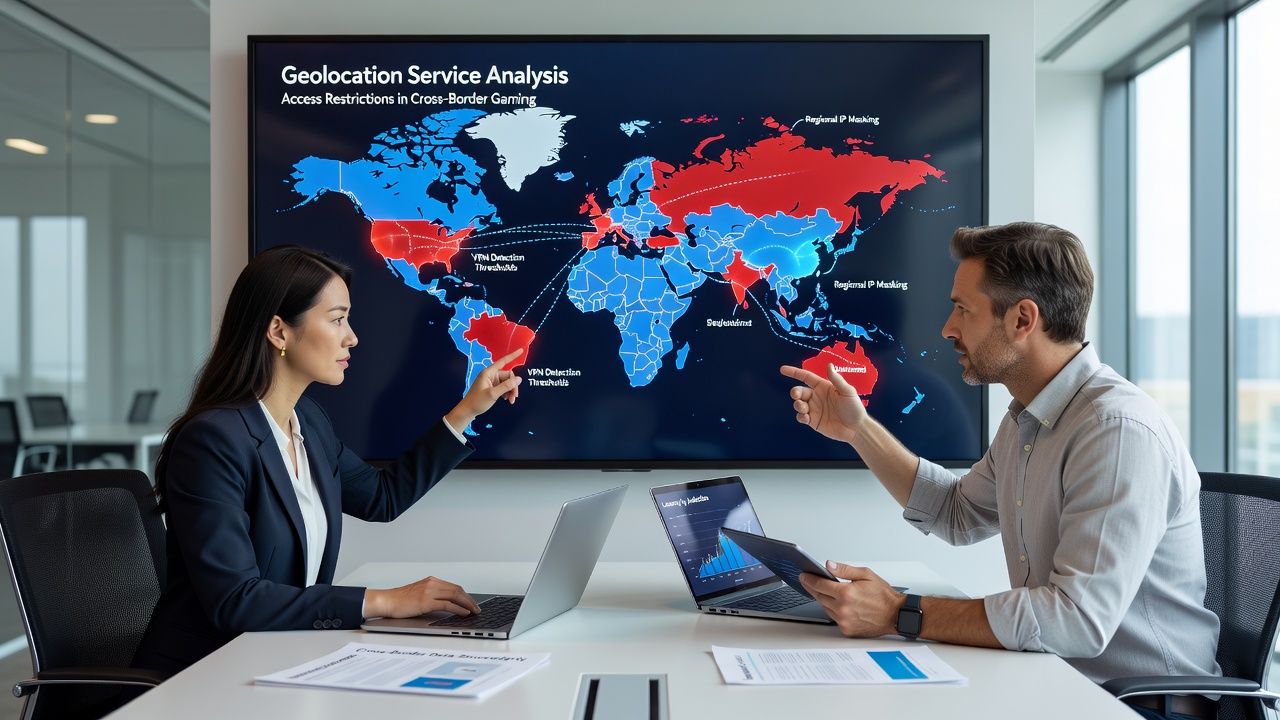
Electronic gaming platforms integrate geolocation through combinations of IP geolocation databases, GPS coordinates from mobile devices, and Wi-Fi network identifiers, and these layers work together to create layered verification that reduces the chance of spoofing. According to studies conducted by academic teams in Canada, accuracy rates for combined methods reach above 95 percent in urban areas, whereas rural zones sometimes show higher variance due to signal limitations.
Operators maintain blacklists of known VPN endpoints and proxy servers because these tools can mask true locations, and updates to those lists happen frequently as new services appear. Figures from the Australian Communications and Media Authority reveal that enforcement actions tied to unauthorized access attempts increased by 12 percent in the most recent reporting period, and similar patterns appear in data shared by European digital market regulators.
Regional Policy Variations and Their Effects
Cross-border networks must navigate rules that change at national borders, and geolocation services serve as the primary enforcement layer for these differences. In some Canadian provinces, for instance, operators permit play only within specific provincial boundaries, while neighboring areas maintain separate licensing that excludes external traffic. This setup leads to situations where a player crossing a provincial line experiences an immediate session termination once the service updates the location flag.
European Union directives on digital services have prompted operators to refine their geolocation protocols, and compliance requires alignment with rules that prohibit certain forms of geo-blocking in non-gaming contexts yet allow it for licensed gambling activities. Observers note that these adjustments create technical overhead for providers who manage simultaneous connections from multiple member states, and the resulting systems often include fallback mechanisms that redirect users to localized versions of the same platform.
Technical Challenges in Maintaining Consistent Access
Network latency becomes a factor when geolocation queries add extra steps to the connection process, and developers address this by caching location data for short periods before refreshing. Studies published through research centers in Australia indicate that caching intervals of under 30 seconds strike a balance between security and performance, while longer intervals increase the risk of location drift during extended sessions.
Device fingerprinting supplements traditional IP checks in many networks because it captures hardware signatures that remain stable even when IP addresses change, and this method helps identify attempts to route traffic through intermediaries. Data collected across multiple platforms shows that fingerprinting raises detection rates for unauthorized access by roughly 20 percent compared with IP-only systems, and providers continue to refine the algorithms as new device models enter the market.
Future Developments Expected by Mid-2026
Plans for expanded 5G coverage in several regions will likely influence how geolocation services operate within gaming networks, and operators have begun testing integrations that leverage the improved positioning accuracy of newer cellular standards. Full-scale testing programs scheduled to begin in June 2026 aim to measure how these enhancements affect both compliance accuracy and user experience across borders, and preliminary models suggest reduced false restrictions in areas with dense infrastructure.
Industry associations continue to track these advancements, and collaborative reports from groups in the United States and Canada outline potential standards for sharing location verification data without compromising player privacy. Those documents emphasize encryption requirements and consent protocols that must accompany any data exchange between networks operating in different countries.
Conclusion
Geolocation services remain central to the operation of cross-border electronic gaming networks because they translate regulatory requirements into technical controls that function in real time. Continued refinement of these tools, driven by both technological progress and policy updates, will determine how access patterns evolve in the coming years.