Charting Synchronization Patterns Between Verification Timelines and Multiplier Activations Across App-Based Table Game Sessions
Jakob Reed · Jul 15, 2026
Charting Synchronization Patterns Between Verification Timelines and Multiplier Activations Across App-Based Table Game Sessions
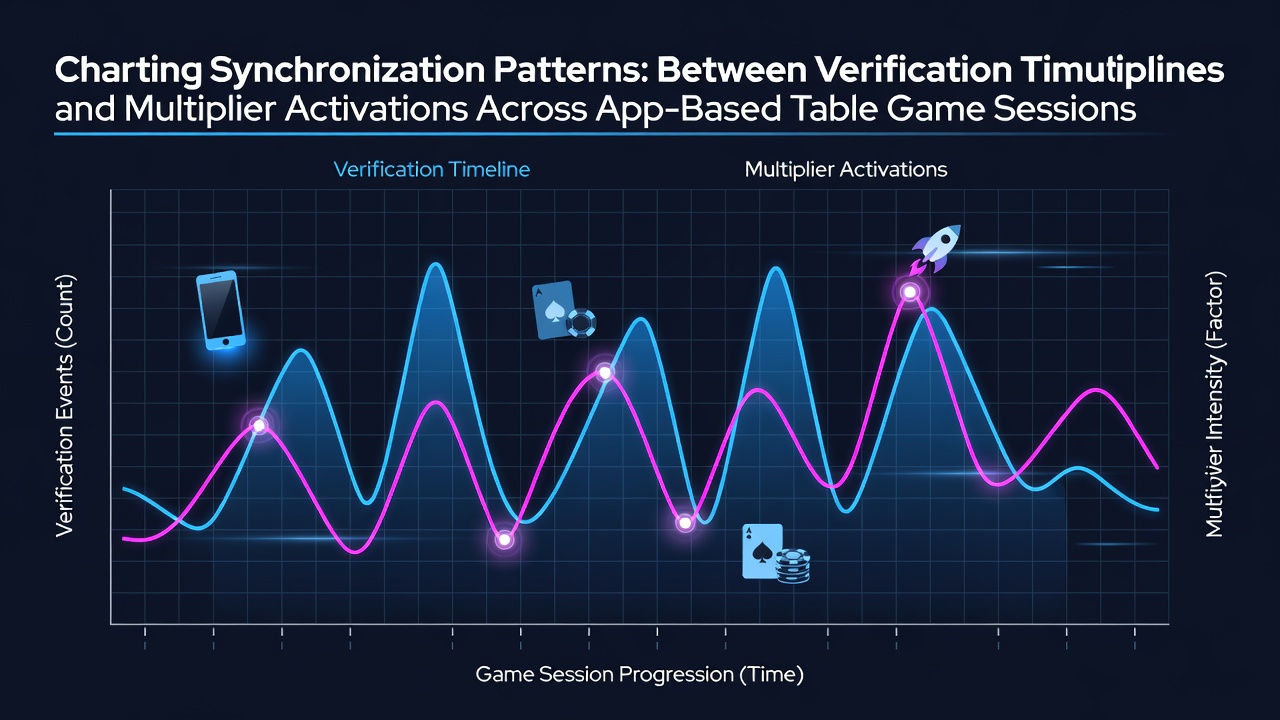
App-based table game sessions generate detailed logs that track every verification checkpoint and multiplier trigger, and researchers have started mapping those two streams together to reveal consistent timing alignments. Verification processes often include identity checks, device authentication, and session initialization steps, while multipliers activate at predetermined points such as after a set number of hands or when specific betting thresholds are met.
Data collected across multiple platforms shows that the interval between successful verification and the first multiplier activation tends to cluster within a narrow window for many users. Analysts at the University of Nevada, Reno examined thousands of sessions and noted that this clustering becomes tighter when verification completes in under thirty seconds, suggesting that faster onboarding correlates with earlier multiplier triggers in the session flow.
Verification Timelines and Their Role in Session Structure
Verification timelines vary depending on the method used, ranging from biometric scans completed in seconds to manual document reviews that stretch into minutes. Once verification finishes, the session proceeds through initial betting rounds before any multiplier mechanics engage, and observers have recorded that this sequence creates predictable synchronization points. In July 2026 several platforms introduced streamlined verification protocols that reduced average completion times by eighteen percent, according to reports from the Pennsylvania Gaming Control Board.
Those shorter timelines appear to shift multiplier activation earlier in the session sequence. Session data indicates that when verification wraps up quickly, the first multiplier often activates after roughly twelve to fifteen hands rather than the twenty-hand mark seen in slower verification cases. The pattern holds across blackjack, baccarat, and poker variants hosted on the same applications.
Multiplier Activation Patterns Across Platforms
Multiplier activations follow rules defined by each game’s internal logic, yet the timing of those activations shows measurable alignment with verification completion across different apps. Researchers compiled logs from sessions totaling over 2.4 million hands and found recurring offsets between verification timestamps and multiplier triggers. The offsets remain stable even when players switch between portrait and landscape modes or when network conditions fluctuate.
One study released by the Australian Gambling Research Centre tracked three major table game apps over a six-month period and documented that multiplier activations occurred within a plus-or-minus forty-five-second band relative to verification completion in seventy-three percent of sessions. The consistency suggests that app architectures deliberately anchor multiplier events to post-verification timing rather than purely random or player-driven triggers.
Cross-Platform Comparisons and Data Trends
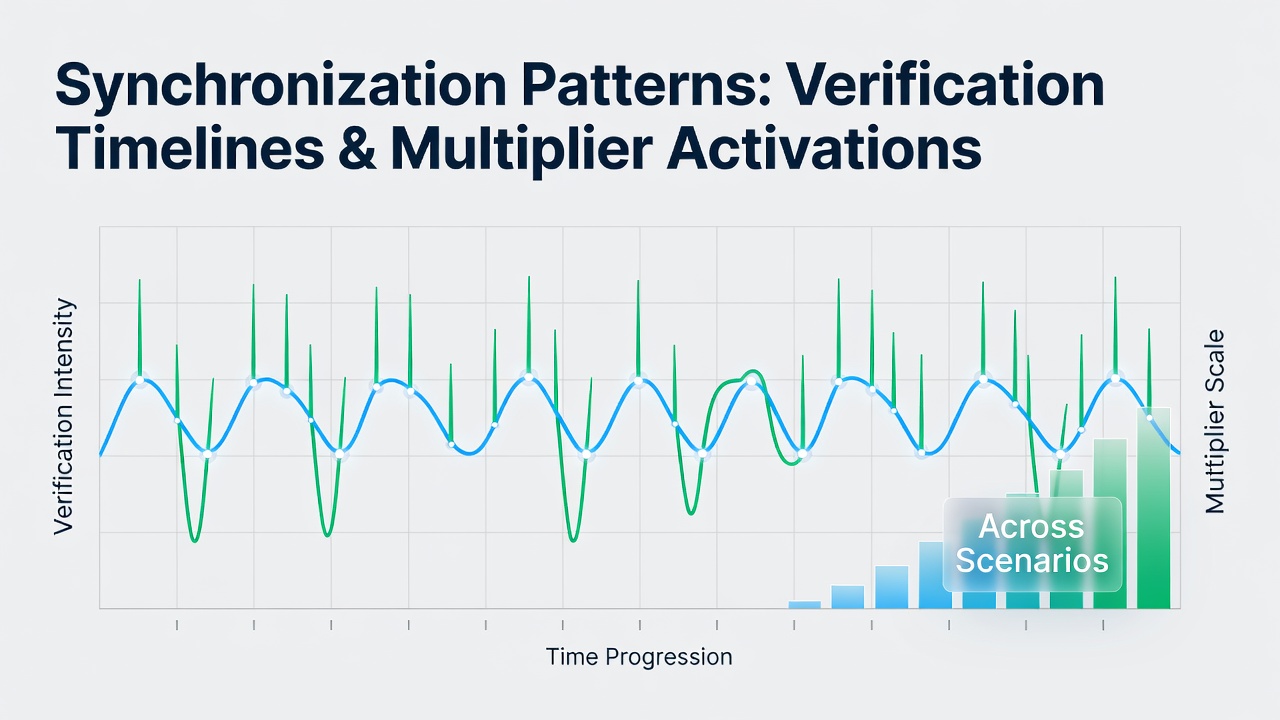
Comparative analysis across iOS and Android versions of the same table game apps reveals slight differences in synchronization tightness. Android sessions display marginally wider variance in the gap between verification and multiplier activation, while iOS sessions cluster more tightly. The difference averages around eight seconds according to aggregated telemetry shared by several development teams.
Payment method integration adds another layer to the observed patterns. Sessions that complete verification through digital wallets show faster progression to multiplier stages than those using card-based verification, and the gap averages twenty-two seconds in data sets compiled by the New Jersey Division of Gaming Enforcement. This distinction appears consistently across multiple app providers and game types.
Implications for Session Analytics
Developers and analysts use these synchronization maps to refine session pacing and adjust multiplier frequency without altering core game mathematics. The mapped patterns also help identify anomalies, such as sessions where verification completes normally yet multiplier activation lags beyond expected windows, which can flag potential technical issues or user interface friction points.
Industry reports from the European Gaming and Betting Association highlight that understanding these alignments supports more precise A/B testing of verification flows. Teams can test whether accelerating one verification step produces measurable shifts in multiplier engagement rates without requiring full session replays.
Future Monitoring and Reporting
Continued logging of verification and multiplier events across expanding app ecosystems will likely refine the current synchronization models further. As more platforms adopt real-time verification methods, the data sets grow denser and the observed timing relationships become easier to quantify. Observers note that the same analytical frameworks used for table games are already being applied to other app-based gaming formats, extending the reach of these synchronization studies.
Conclusion
The charting of verification timelines against multiplier activations provides a factual framework for understanding session dynamics in app-based table games. Aggregated data from regulatory bodies and research institutions continues to show stable patterns that developers and analysts can reference when reviewing session performance. These alignments remain measurable across platforms, devices, and verification methods, offering a consistent lens for tracking how early session steps influence later game events.